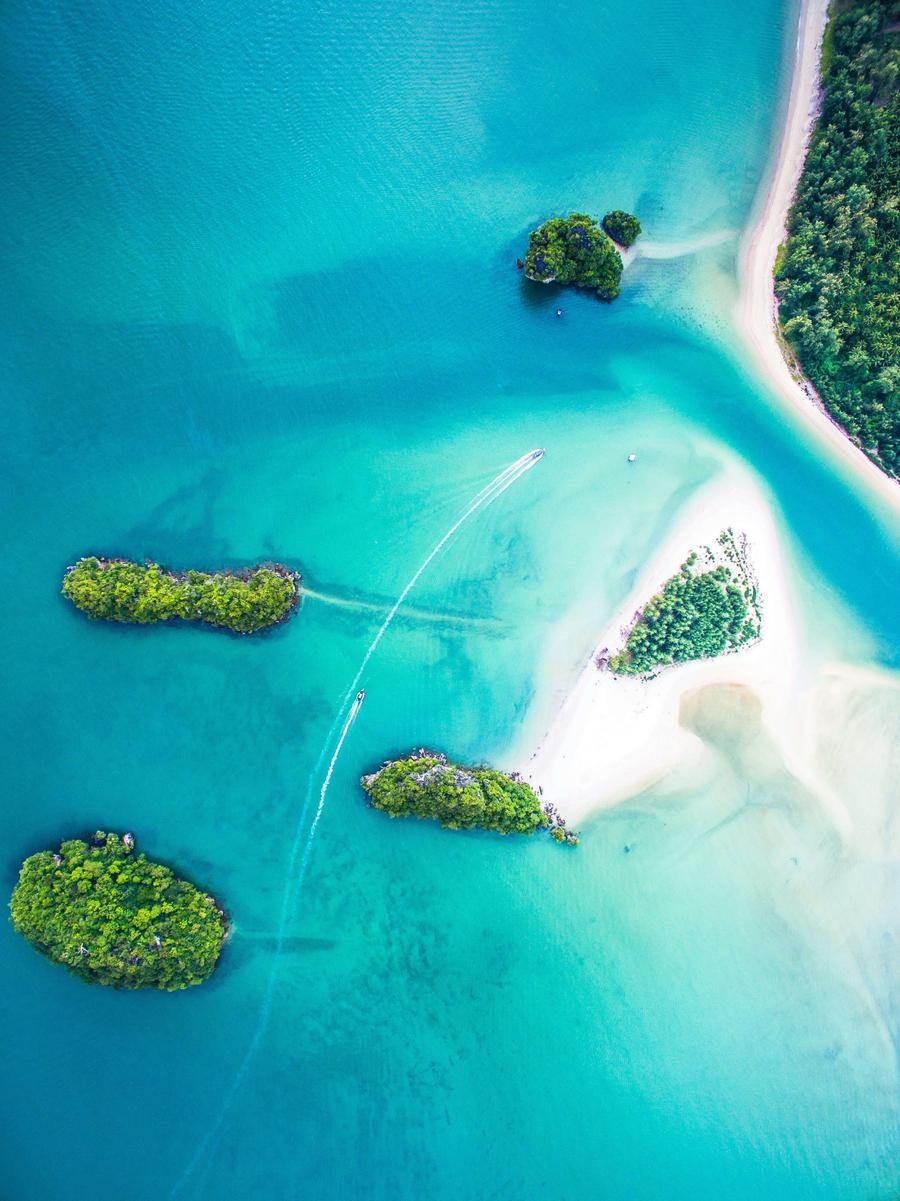
Freediving in Boracay
Boracay is best known for Warm tropical freediving with exceptionally easy travel logistics, combining introductory depth training with one of the Philippines' most established beach destinations., making it a strong choice for Beginner freedivers. First certification courses. Recreational depth sessions. Warm-water training. Freediving combined with a beach vacation. Travellers looking for easy access and comfortable island facilities..
Max Depth
Water Temp
Visibility
Water Type
School
Why train here
Why freedivers choose Boracay
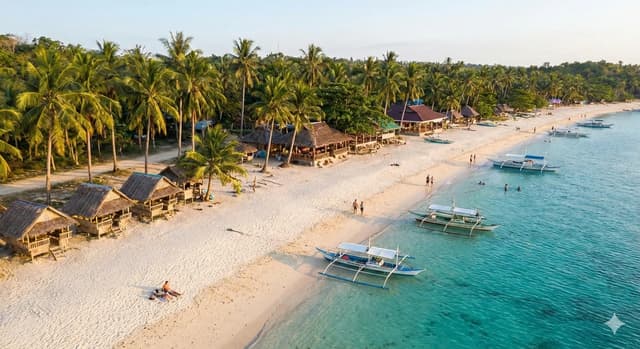
Boracay offers relaxed tropical freediving in one of the Philippines' best-known island destinations. Warm water throughout the year and straightforward travel logistics make it attractive for introductory courses and recreational training. Rather than being a dedicated depth destination, Boracay combines comfortable diving conditions with a vibrant island lifestyle, allowing visitors to balance freediving with beaches, cafés and accommodation within walking distance. Training is typically organized from boats, with sites selected according to daily sea conditions.
Boracay currently has one listed school operating locally. With very good visibility, water temperatures from 27°C to 30°C, and best months around November–May, the local training profile is clear.
Ideal for
Who Boracay is best for
A quick view of who this destination works for at different stages.
Beginners
Boracay provides a comfortable environment for learning breathing techniques, equalization, duck dives and the fundamentals of constant weight diving. Warm water and relatively gentle conditions help beginners focus on technique rather than environmental challenges.
Progression
Freedivers progressing beyond beginner certifications can continue improving technique and comfort in depth, but those seeking frequent deep training or structured long-term progression often move to destinations with greater depth access and more specialized coaching.
Advanced focus
While advanced sessions are available through some schools, Boracay is generally chosen for relaxed recreational diving rather than elite performance training. Divers pursuing significant depth goals usually prefer locations such as Panglao, Moalboal or Anilao.
Why this destination
What makes Boracay special
These are the traits that shape how training feels once you are in the water.
Signature draw
Warm tropical freediving with exceptionally easy travel logistics, combining introductory depth training with one of the Philippines' most established beach destinations.
Training upside
Warm water throughout the year. Quick access from Caticlan Airport. Comfortable conditions for beginner certifications. Well-developed tourism infrastructure. Easy combination of freediving and island holidays. Multiple freediving schools offering introductory and certification courses.
Local advantage
Not a major destination for advanced depth progression. Fewer dedicated deep training sites than leading Philippine freediving hubs. Busy tourism environment throughout much of the year. Visibility and sea conditions become more variable during the rainy season.
Training environment
Training conditions in Boracay
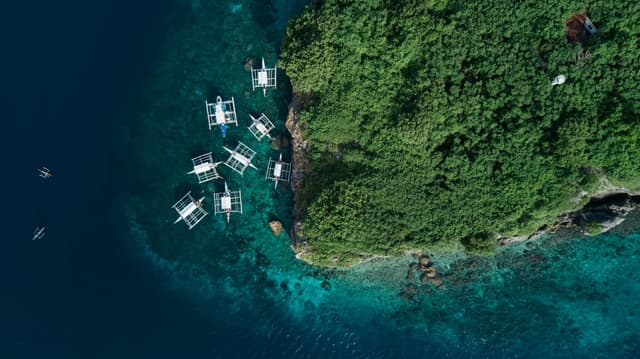
Most sessions are conducted from boats using permanent or temporary descent lines positioned over suitable depth. Schools typically adapt locations to daily weather, sea state and student experience, prioritizing calm water for skill development and certification dives.
The destination's combination of boat-based access to the main training sites and a salt-water training setup is the practical constraint on water time and day-to-day repeatability. The main tradeoffs are Not a major destination for advanced depth progression. Fewer dedicated deep training sites than leading Philippine freediving hubs. Busy tourism environment throughout much of the year. Visibility and sea conditions become more variable during the rainy season..
Seasonality
Best time to freedive in Boracay
The usual sweet spot for Boracay is November–May. That window tends to offer the best balance of water comfort, repeatable sessions, and fewer day-to-day surprises for training plans.
Expect water temperatures between 27°C and 30°C with very good visibility.
Beginner guide
Is Boracay good for beginner freedivers?
Boracay provides a comfortable environment for learning breathing techniques, equalization, duck dives and the fundamentals of constant weight diving. Warm water and relatively gentle conditions help beginners focus on technique rather than environmental challenges.
The listed school inventory adds course options for beginners, with local operators handling safety and day structure.
Practical info
Getting there
Nearest Airport
Godofredo P. Ramos (Caticlan) Airport (MPH)
Transfer Time
~2 km to Caticlan jetty, then 10-15 min boat (45-60 min total); Kalibo (KLO) adds 1.5-2 h by road
Visa Note
30-day visa free for many nationalities
Best Months
January, February, March, April, May, November, December
Map
Map view for Boracay, Philippines.
Map data © OpenStreetMap contributors. Ocean overlay © Esri, GEBCO, NOAA, Garmin, and contributors. Open full map
Schools
Freediving schools in Boracay
There is currently one listed school in Boracay with course, certification, and pricing details.
Nearby alternatives
Nearby alternatives to Boracay
These alternatives stay close to the same geography, water setup, or training style.
Got questions?
Questions about freediving in Boracay
Everything you need to know about freediving, training, and choosing the right destination.
01 Is Boracay good for beginner freedivers?
Boracay provides a comfortable environment for learning breathing techniques, equalization, duck dives and the fundamentals of constant weight diving. Warm water and relatively gentle conditions help beginners focus on technique rather than environmental challenges.
02 What is the best time to freedive in Boracay?
The best months are usually November–May when the balance of comfort, visibility, and session repeatability is strongest.
03 How deep is Boracay for freediving?
Boracay offers access up to roughly 40m, which is enough to support both course work and more committed training depending on the local setup.
04 How do you get to Boracay?
Most visitors fly into Godofredo P. Ramos (Caticlan) Airport (MPH) and then transfer ~2 km to Caticlan jetty, then 10-15 min boat (45-60 min total); Kalibo (KLO) adds 1.5-2 h by road to reach Boracay.
05 Are there freediving schools in Boracay?
Yes. There is 1 listed school in Boracay.
06 How much does a freediving course cost in Boracay?
Beginner freediving courses in Boracay typically range from $250 to $500 depending on the school, certification agency, and course duration. Compare schools and pricing on the destination page.