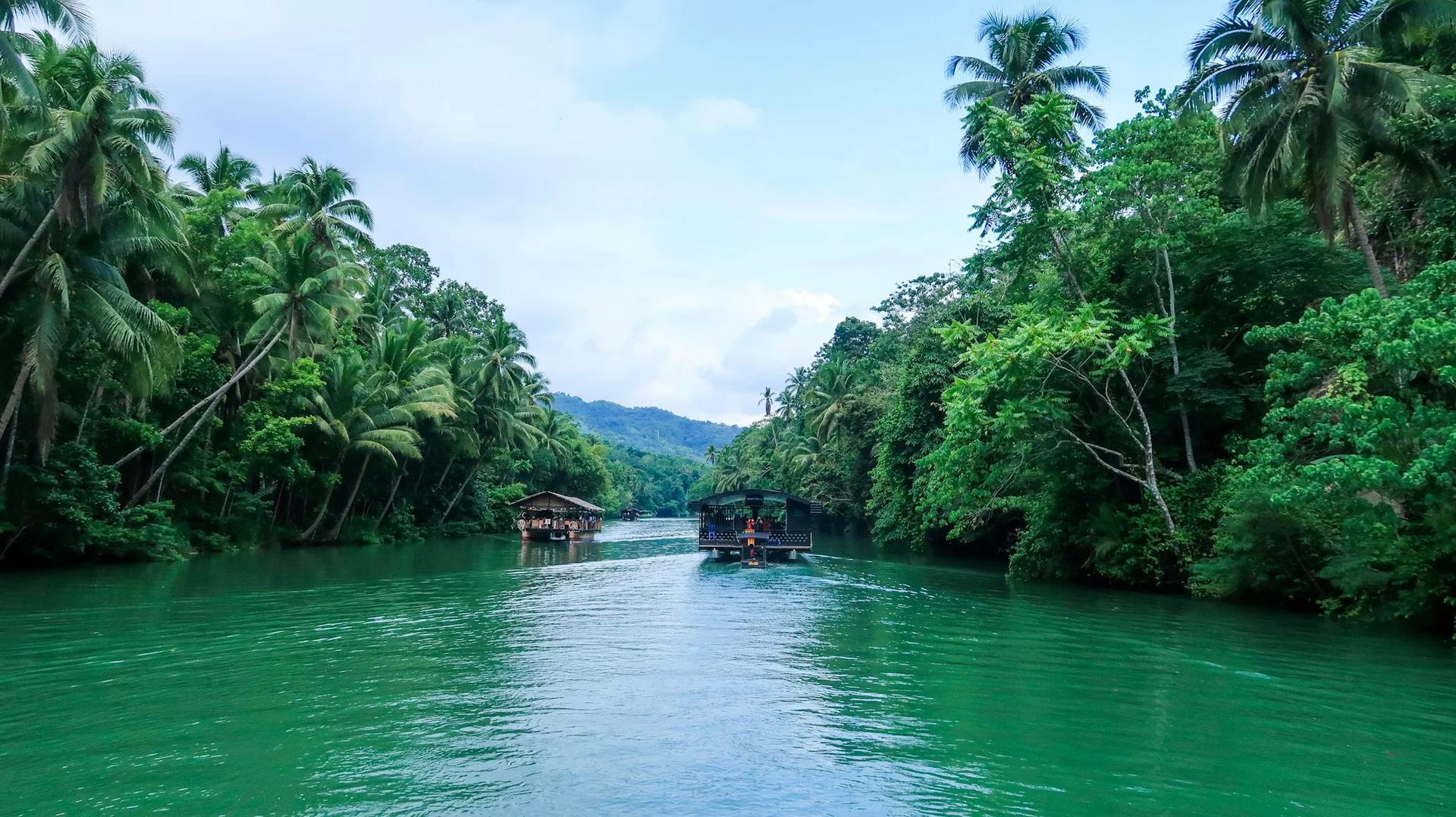
Freediving in Philippines
The Philippines is ideal for freedivers looking to progress in depth, train in diverse conditions, and choose from destinations with distinct training environments, with Panglao standing out as one of the country's top all-around locations.
The Philippines is one of Southeast Asia's top freediving destinations, with more than 7,600 islands offering warm tropical waters, dramatic walls, coral reefs, and year-round diving conditions. Whether you're looking for your first freediving course or training for greater depth, you'll find excellent schools and dive sites for every level.
Many freedivers don't realize that the Philippines sits at the heart of the Coral Triangle, the most biodiverse marine region on Earth. This means your training dives are often shared with sea turtles, vibrant coral reefs, massive schools of fish, and an incredible variety of marine life rarely found elsewhere.
Moalboal is famous for its year-round sardine run and easy access to deep water. Mabini (Anilao) is the country's leading destination for depth training and advanced freedivers. Panglao offers calm conditions perfect for beginners, while Coron and El Nido combine breathtaking limestone landscapes with unforgettable exploration dives.
Freediving schools across the Philippines teach internationally recognized certifications including AIDA, Molchanovs, SSI, and PADI Freediver. With affordable courses, experienced instructors, warm water, and world-class underwater scenery, the Philippines is one of the best places in Asia to learn, train, and explore on a single breath.
At a glance
- Destinations listed
- 4
- Schools across the country
- 14
- Water temperature range
- 27°C – 30°C
- Peak months
- January, February, March, April, May, June, July, November, December
Best destinations
Best freediving destinations in Philippines
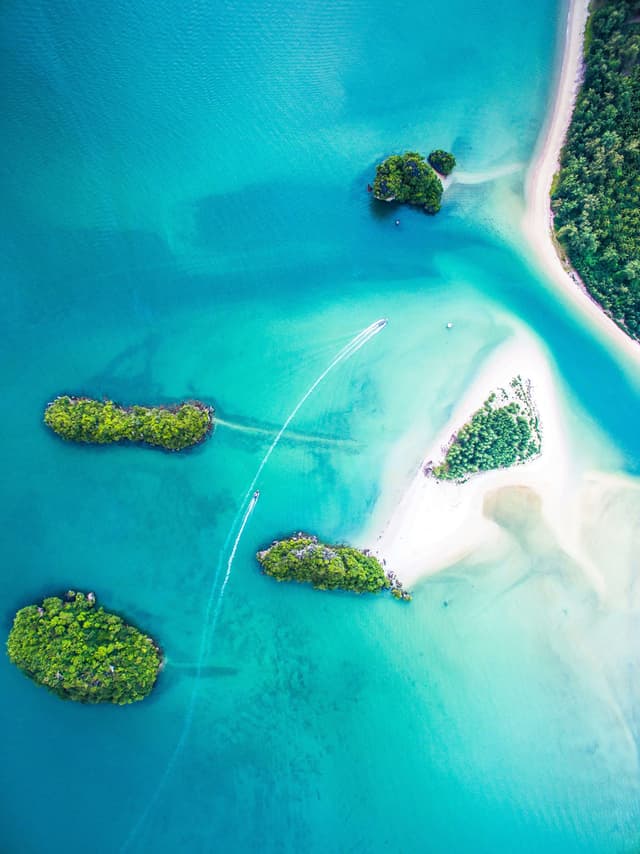
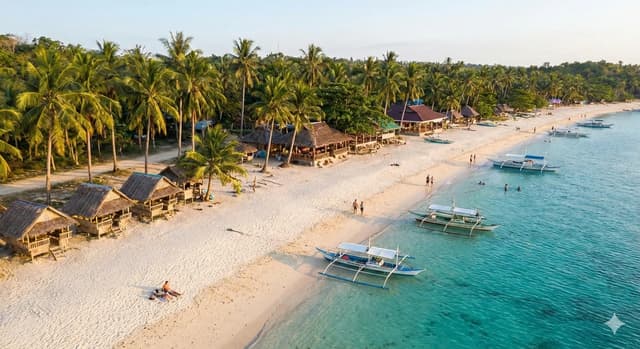
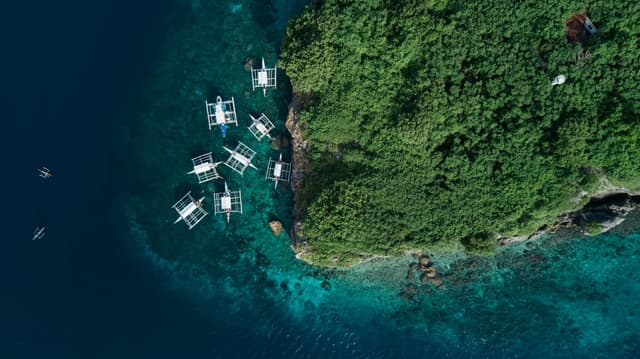
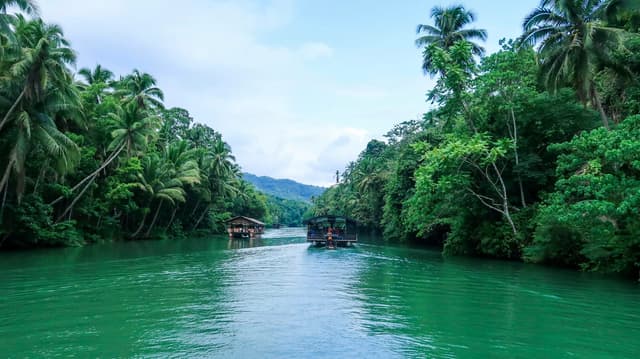
Start with Panglao , Camotes Island , Moalboal and Boracay if you want the strongest first comparison inside Philippines.
Comparison
How the main destinations compare
Compare beginner fit, local school density, and how each destination in Philippines balances courses versus training-led trips.
Panglao
130m max depth, 6 listed schools, and warm water, reliable line depth, and a competition-focused culture with a mix of shore and boat-based sessions.
Camotes Island
150m max depth, 1 listed school, and warm water and reliable line depth with boat-based access to the main training sites.
Moalboal
70m max depth, 1 listed school, and warm water, shore access, and reliable line depth with mostly shore-based access to the training site.
Ideal for
Who Philippines is best for
A fast read on where Philippines fits so you can qualify the overall trip before getting lost in town-level details.
Beginners
Philippines has destination options that are usable for a first course, especially when you want a country where warm water, travel convenience, and coaching choice can all line up.
Intermediate divers
This is where Philippines is often strongest: enough destination variety to compare access style, school density, and travel rhythm without leaving the same national context.
Advanced training
Philippines also supports divers who care about progression depth and repeatable training blocks, not just one-off intro sessions.
Conditions
Conditions and seasonality
Unlike many freediving destinations, the Philippines does not have one single best season. As an archipelago of more than 7,600 islands, weather and sea conditions vary significantly between regions, meaning excellent freediving is available somewhere in the country throughout much of the year.
The best training conditions generally fall between November and July, depending on the location. Water temperatures typically range from 27°C to 30°C, allowing comfortable diving year-round. Rather than choosing the Philippines based on a national season, it's better to select the destination that matches your travel dates and training goals.
Training options
Schools and courses in Philippines
The Philippines offers a wide range of freediving schools, especially around Panglao, Moalboal, and Camotes Island. On paper, many courses look similar. In the water, they can feel completely different.
Some schools train from calm bays, others head offshore to deeper water. Group sizes, access to permanent depth lines, training schedules, and the local freediving community all shape the experience. Exploring the school pages gives a much clearer picture than comparing certification logos alone.
School shortlist
Schools worth opening next
These school pages are the fastest next step once the country-level comparison starts narrowing toward a real destination shortlist.


Practical info
Travel and logistics
Most international freedivers arrive through Mactan–Cebu International Airport (CEB) or Bohol–Panglao International Airport (TAG). Which airport makes the most sense depends on your destination, so choose where you want to dive before booking your flights.
Many nationalities can enter the Philippines visa-free for up to 30 days, making it a straightforward destination for both short courses and longer training trips. If you're planning to stay longer, check the latest visa requirements before you travel.
Once you're in the country, think beyond the international flight. Reaching your destination may involve a domestic flight, a ferry, or a road transfer, and the fastest itinerary isn't always the cheapest one.
For planning domestic travel, 12Go is one of the easiest platforms for comparing buses, ferries, vans, and many flight options. If you're travelling between islands, it's also worth checking ferry operators such as OceanJet, Lite Ferries, 2GO Travel, and FastCat, as not every route appears on every booking platform. For domestic flights, Cebu Pacific, Philippine Airlines, and AirAsia Philippines cover most of the country's major freediving destinations.
A final tip: don't optimize for the number of islands you visit. Optimize for the number of days you actually spend in the water.
Learn
Learn before freediving in Philippines
Guides connected to Philippines's listed destinations, plus practical training and planning context.
What Is Freediving? A Clear Beginner Introduction
Understand what freediving is, how courses work, and where beginners usually start training.
How To Hold Your Breath Longer for Freediving
Build longer breath-holds by improving relaxation, technique, and training consistency instead of forcing it.
Freediving Mobility: What to Work On
A practical overview of comfortable mobility for finning, posture and relaxation, with clear limits around advanced lung-stretching practices.
Got questions?
Questions about freediving in Philippines
Everything you need to know about freediving, training, and choosing the right destination.
01 What is the best time to freedive in Philippines?
That depends on destination, but the main windows in the current inventory cover November–July. Use the destination pages to narrow the exact season.
02 What is the best freediving destination in Philippines for beginners?
Panglao is one of the first places to compare because it combines destination recognition with the strongest current school or depth signal in the country.
03 Which areas in Philippines are best known for freediving?
Boracay, Camotes Island, Moalboal, and Panglao are the main destinations currently surfaced in the country guide.
04 Is Philippines good for freediving courses?
Yes. Philippines has 14 listed schools across 4 destinations, so it supports both first-course research and more deliberate destination comparison.