
Commercial hub
Freediving Certification
Understand how the certification ladder fits together, then choose destinations and schools that make progression realistic.
Certification matters because it gives your training a sequence. Instead of collecting random sessions in random places, you build skills in an order that makes the next level feel earned.
The best destinations for certification are the ones where repetition is easy: clear line access, solid coaching, and enough structure that you are not starting over every trip.
Start here
Use certification to create sequence
A good certification path tells you what to learn now, what to clean up next, and when more depth actually makes sense.
Pick a destination that supports repetition
Progress happens faster where you can repeat line sessions, pool work, or equalization drills without fighting weather or logistics.
Read school pages for progression details
The school page should show the course ladder clearly enough that you know whether it suits your level and your next move.
How the main agencies roughly line up
The labels change by agency, but the rough progression is more comparable than it first appears. Treat this as a reader-friendly crosswalk, then confirm exact standards on the official agency pages before booking.
| Stage | SSI | AIDA | PADI | Molchanovs | What it usually means |
|---|---|---|---|---|---|
| Entry level | Level 1 | 2 Star | Freediver | Wave 1 | Usually the first full open-water certification for new freedivers. |
| Intermediate | Level 2 | 3 Star | Advanced Freediver | Wave 2 | A common next step once equalization, rescue, and depth comfort are more settled. |
| Advanced | Level 3 | 4 Star | Master Freediver | Wave 3 | Usually aimed at divers already training regularly and progressing with intention. |
Exact performance requirements and instructor pathways vary by agency and can change. Always verify the current standards with the certifying organization before choosing a course.
Destinations that support certification progress
Dahab, Bali, Phuket, and Panglao all support repeat training blocks, but they feel different. Use the destination pages to decide whether you want depth culture, warm-water travel, or a more flexible beginner-to-intermediate setup.
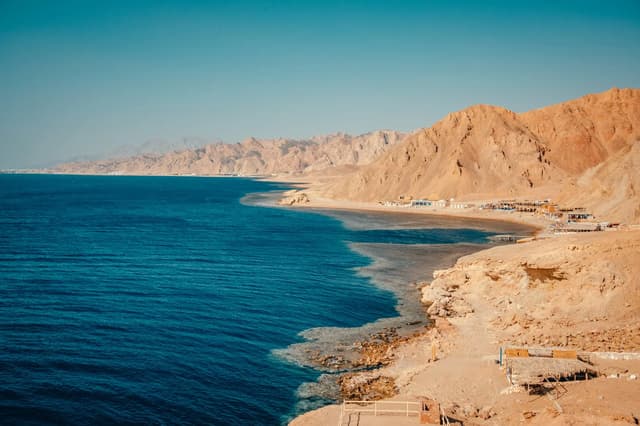
Dahab
Egypt
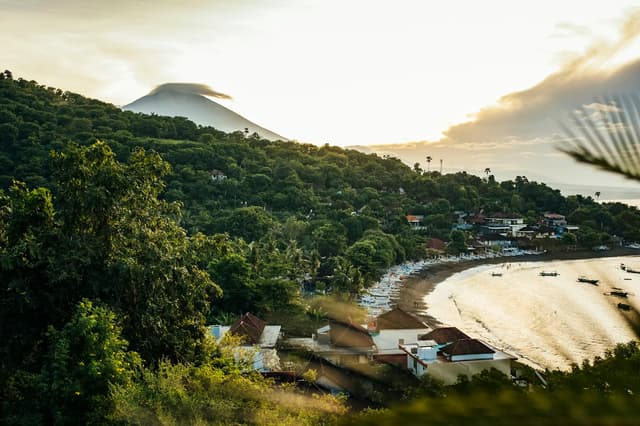
Bali
Indonesia
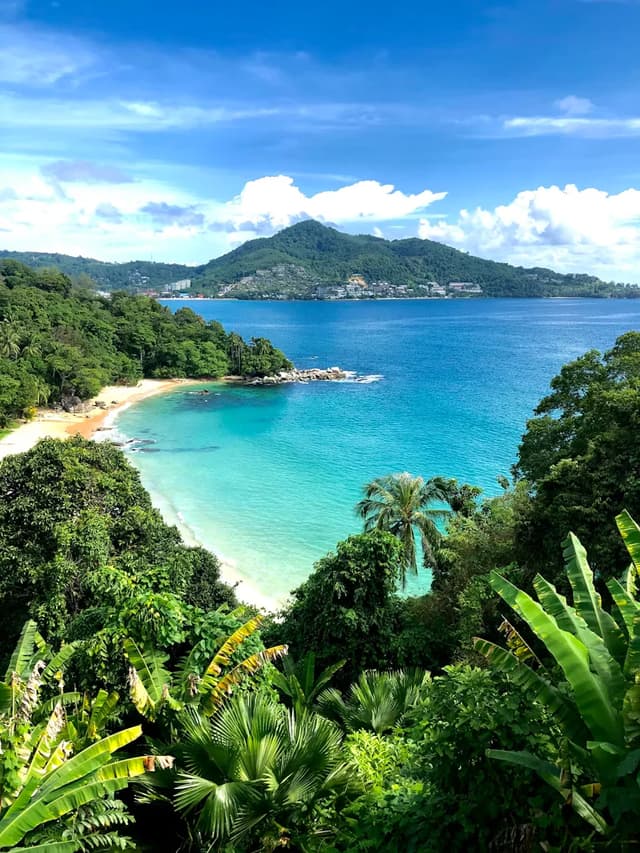
Phuket
Thailand
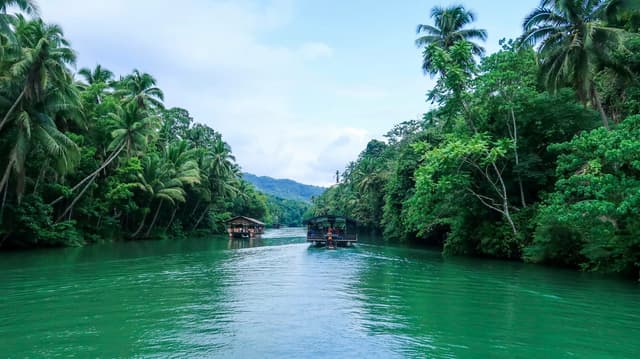
Panglao
Philippines
Schools with clear progression paths
These school pages are where the certification discussion gets practical: what levels are offered, how the training is paced, and whether the environment suits the next step.
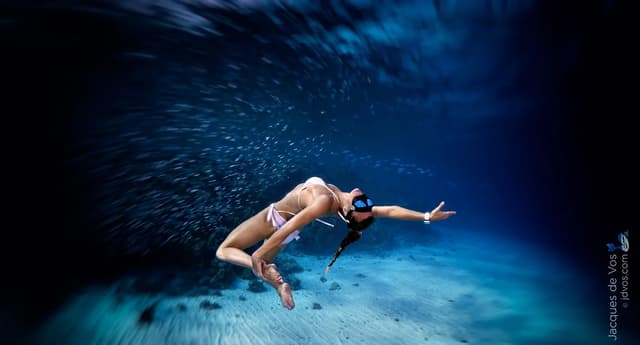

Freedive Dahab
Dahab, Egypt
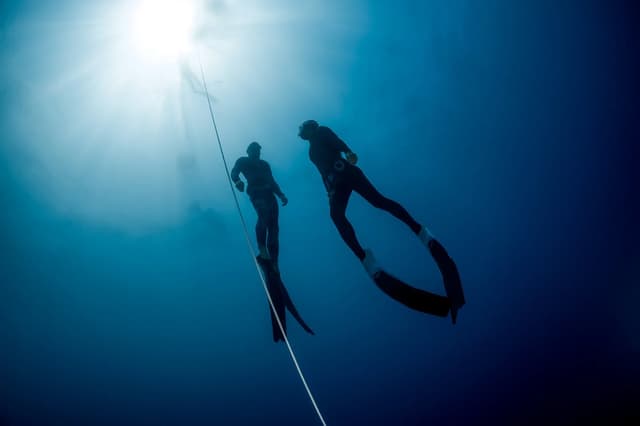
Apneista Bali
Bali, Indonesia
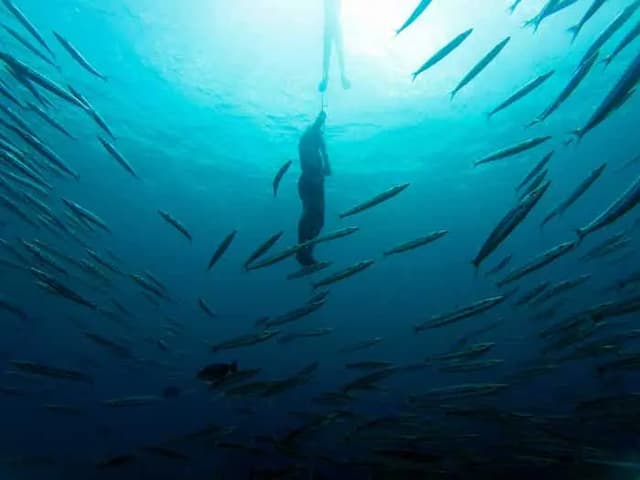

SSS Phuket
Phuket, Thailand
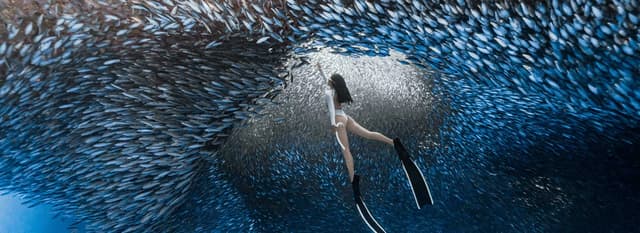
Freedive Academy Panglao
Panglao, Philippines
Related guides
Read these with the certification ladder in mind
Freediving Training
The training guide shows how dry work, pool work, and open water fit together around certification progression.
CO2 Tables
Useful once you understand where tables fit and where they do not within a broader certification plan.
Freediving Equalization
Equalization is often the technical bottleneck that determines when the next certification level is realistic.
Got questions?
Questions about freediving certification
Everything you need to know about freediving, training, and choosing the right destination.
01 Why does freediving certification matter?
Certification gives you a progression for safety, equalization, rescue, and depth skills instead of leaving each step improvised.
02 Should I choose a destination based on certification level or local conditions?
You need both, but local conditions should support the level you are trying to complete. The best certification path is still a bad fit if the destination makes repetition difficult.
03 Can I continue certification with a different school later?
Usually yes, though it is easier when your first course gives you clear documentation, solid rescue skills, and a realistic next-step plan.
04 What is the best freediving certification?
There is no single best certification. AIDA, SSI, PADI, and Molchanovs all provide solid training structures. The best choice depends on school availability at your destination, instructor quality, and which system your future training partners use.
05 What is the difference between AIDA and SSI freediving?
AIDA is a competition-focused federation with standardized depth and time requirements. SSI is a broader dive education agency with more flexibility in course structure. Both produce competent freedivers. The difference is mostly in how progression and assessment are structured.
06 How much does freediving certification cost?
A beginner freediving certification typically costs between $250 and $500 depending on the destination, school, and certification agency. Advanced levels cost more due to longer training time and higher instructor requirements.
07 How long does it take to get freediving certified?
A beginner certification usually takes 2 to 3 days of classroom, pool, and open water sessions. Intermediate and advanced levels can take 3 to 5 days depending on the agency and your starting skill level.