Freediving in Mexico
Mexico is several freediving destinations in one: freshwater cenotes on the Yucatán Peninsula, Caribbean reefs around Cozumel, and the Sea of Cortez off La Paz for deep line training and big-animal encounters.
Mexico offers more variety for freedivers than almost any other country in the Americas. Freshwater cenotes, Caribbean reefs, the Sea of Cortez and the open Pacific each give a completely different kind of diving, so the right region depends on what you want to train or see.
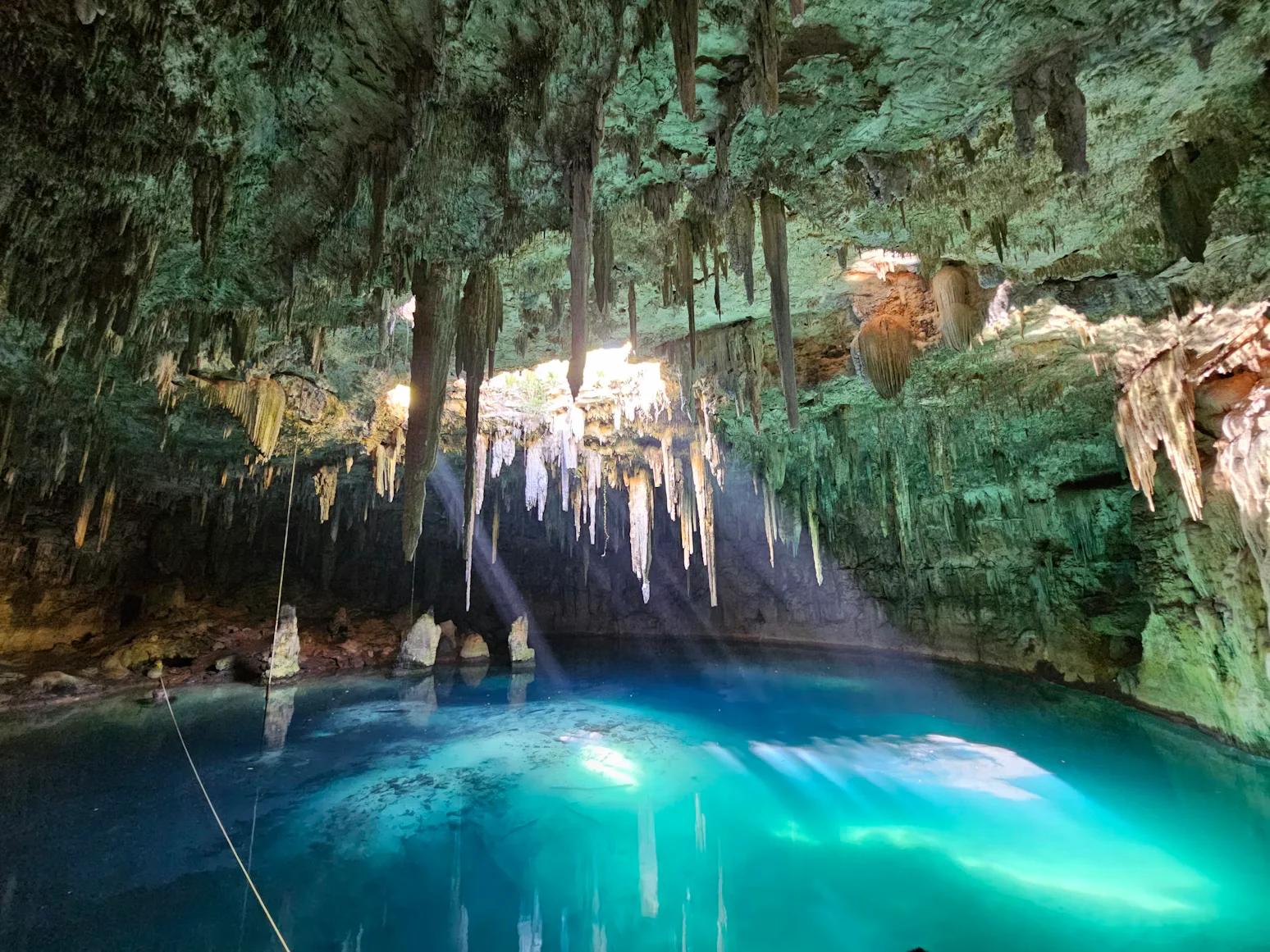
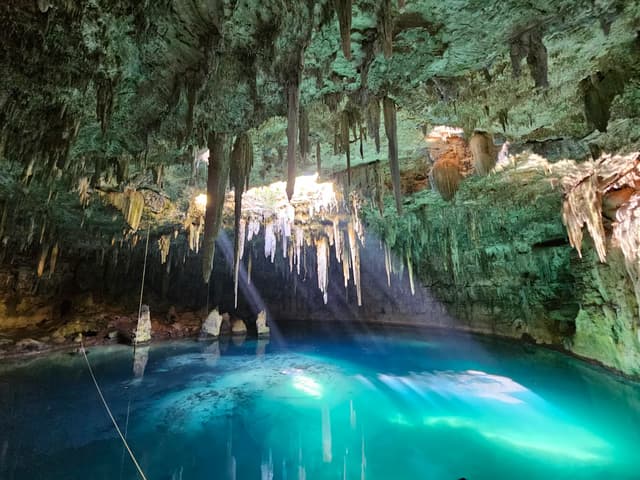
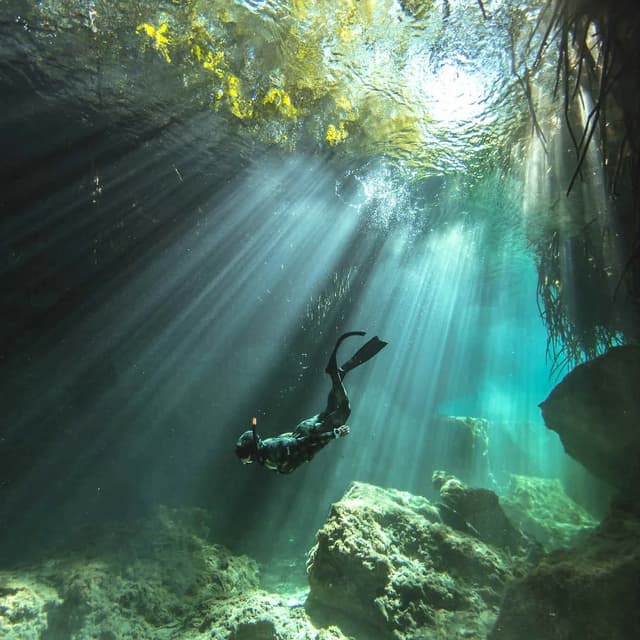
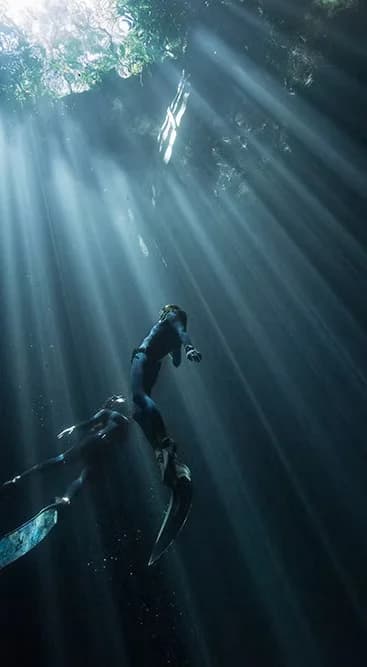
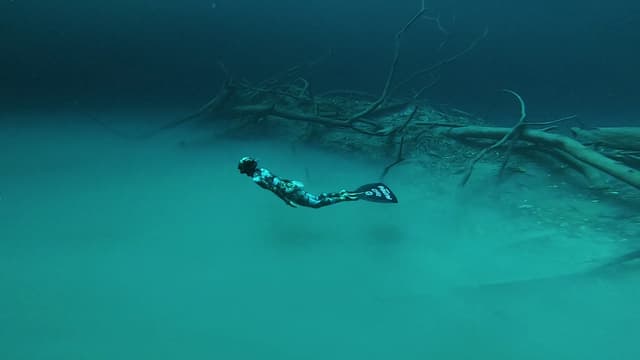
Mexico's cenotes offer a freediving experience unlike anywhere else on Earth. Found mainly across the Yucatán Peninsula, in the states of Yucatán and Quintana Roo, these natural sinkholes open into a hidden underwater world of crystal-clear freshwater, limestone formations and light beams. Sites like El Pit and Angelita near Tulum are used for first courses, depth training and exploration.
On the coast, the Mexican Caribbean offers excellent reef freediving. Cozumel is known for its vibrant coral, drop-offs and marine life, including sea turtles and rays. Further south, the Riviera Maya and Banco Chinchorro offer more barrier reef to explore, with pelagic species in clear water.
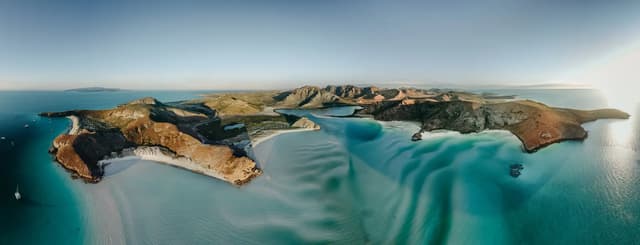
The Sea of Cortez and the Pacific side of Baja California are Mexico's big-animal region. La Paz is the main freediving base, with sea lions at Espíritu Santo, whale sharks in the bay, mobula ray aggregations in spring and deep blue water for line training. Across the peninsula, Magdalena Bay is known for gray whales in winter and sardine runs with marlin in the autumn, and humpback and blue whales, orcas, dolphins and sharks are all seen in Baja waters.
On the mainland, the open Pacific coast around spots like Punta Mita is a favorite with spearfishers, with a wide variety of marine life and larger pelagics. Far offshore, the Revillagigedo Archipelago, home to Socorro Island and often called the Mexican Galápagos, lies around 400 km south of Cabo San Lucas and is reached by liveaboard.
At a glance
- Destinations listed
- 2
- Schools across the country
- 6
- Water temperature range
- 21°C – 29°C
- Peak months
- January, February, March, April, May, June, September, October, November, December
Best destinations
Best freediving destinations in Mexico
Start with Tulum Cenotes and La Paz if you want the strongest first comparison inside Mexico.
Comparison
How the main destinations compare
Compare beginner fit, local school density, and how each destination in Mexico balances courses versus training-led trips.
Tulum Cenotes
130m max depth, 6 listed schools, and beginner-friendly coaching with a mix of shore and boat-based sessions.
La Paz
130m max depth, 1 listed school, and warm water, boat-based access, and reliable line depth with boat-based access to the main training sites.
Ideal for
Who Mexico is best for
A fast read on where Mexico fits so you can qualify the overall trip before getting lost in town-level details.
Beginners
Mexico is less of a pure first-course country and makes more sense once you already know what kind of training environment you want.
Intermediate divers
This is where Mexico is often strongest: enough destination variety to compare access style, school density, and travel rhythm without leaving the same national context.
Advanced training
Mexico is better framed as a mixed recreational and course destination than as a pure elite depth base.
Conditions
Conditions and seasonality
Conditions in Mexico depend far more on the region than on a single national season.
The cenotes are freshwater and fully sheltered, at around 25 C, so they can be dived year-round with no waves or current.
In the Sea of Cortez, the water around La Paz ranges from about 21 C in winter to 29 C from August to October. October and November usually combine warm water, good visibility and calm seas. From November to March the El Norte wind blows in multi-day spells that can cancel boat trips, and April to June brings calmer conditions and the mobula ray aggregations again.
Wildlife timing matters when planning a Baja trip. Whale shark season in La Paz runs from October to April, sea lion swims at Los Islotes close from June to August for the breeding season, humpback whales are around from mid-December to mid-April, and gray whales gather at Magdalena Bay from January to April, peaking from January to March.
Training options
Schools and courses in Mexico
Mexico is useful both for travel planning and for actual operator comparison. Schools are concentrated most clearly in Tulum Cenotes and La Paz, which is where the country page should push you when you are comparing courses rather than just browsing geography.
If you are choosing between destinations in Mexico, compare where the schools cluster, how beginner-friendly each local market feels, and whether the destination identity matches a first course, a progression trip, or a more training-heavy block.
School shortlist
Schools worth opening next
These school pages are the fastest next step once the country-level comparison starts narrowing toward a real destination shortlist.



Practical info
Travel and logistics
Pick your region first, then the airport. For the cenotes and the Riviera Maya, fly into Cancún (CUN) or Tulum (TQO). For the Sea of Cortez, La Paz (LAP) is about 20 minutes from town, while Los Cabos (SJD) has more international flights and is about 2 to 2.5 hours away by road.
Many nationalities, including US, Canadian, UK and EU citizens, can enter Mexico without a visa and receive an FMM visitor permit on arrival, usually for up to 180 days.
Got questions?
Questions about freediving in Mexico
Everything you need to know about freediving, training, and choosing the right destination.
01 What is the best time to freedive in Mexico?
That depends on destination, but the main windows in the current inventory cover September–June. Use the destination pages to narrow the exact season.
02 What is the best freediving destination in Mexico for beginners?
Tulum Cenotes is one of the first places to compare because it combines destination recognition with the strongest current school or depth signal in the country.
03 Which areas in Mexico are best known for freediving?
La Paz and Tulum Cenotes are the main destinations currently surfaced in the country guide.
04 Is Mexico good for freediving courses?
Yes. Mexico has 6 listed schools across 2 destinations, so it supports both first-course research and more deliberate destination comparison.