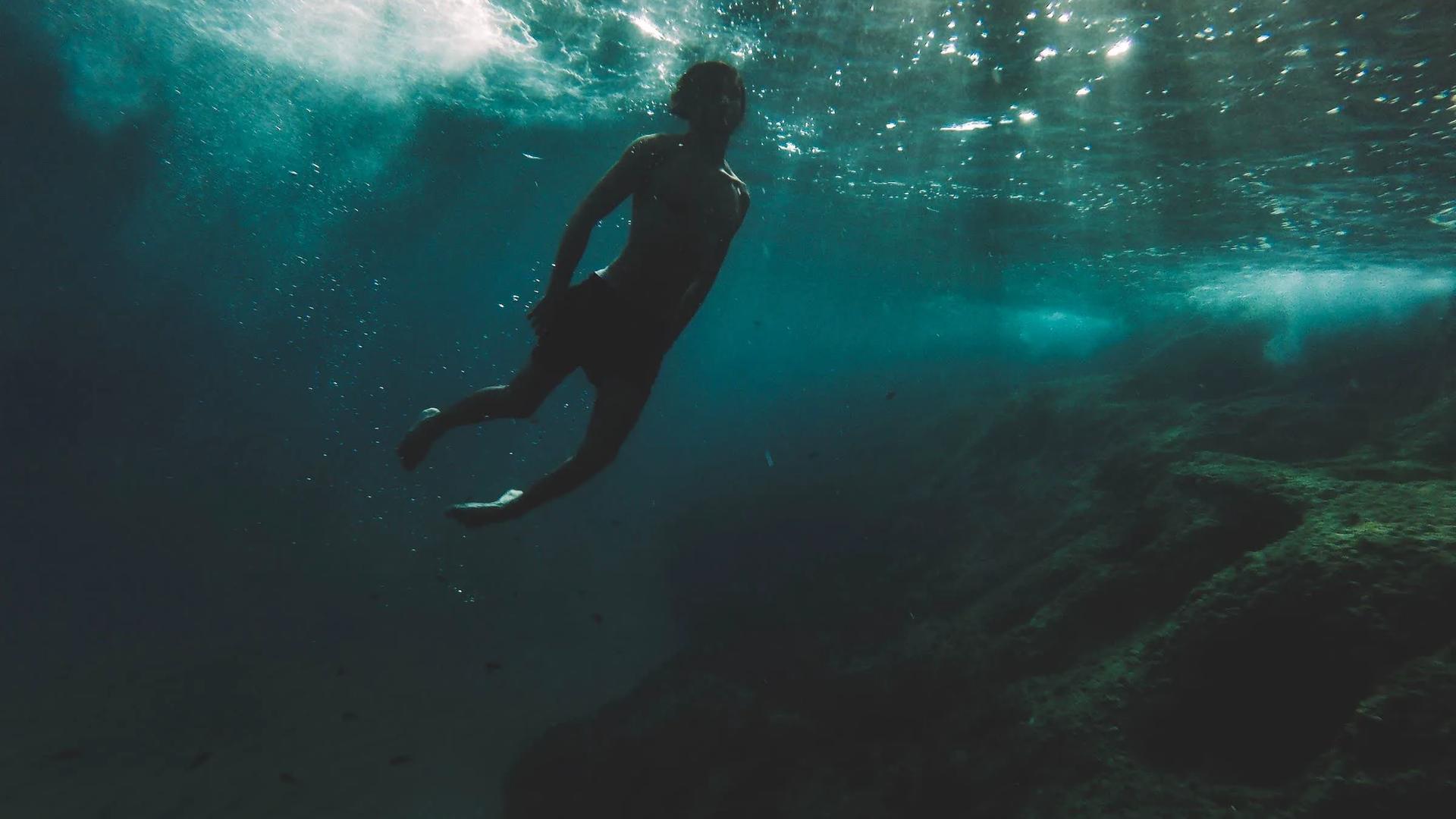
Freediving documentaries are best used for context, not instruction. Watch for the safety system, event structure, athlete psychology, and what recreational divers should not copy. Pair any film with a safety guide or beginner course before turning inspiration into training.
Freediving documentaries can be powerful because the sport is visual, quiet, and emotionally intense. They can also make elite risk look simpler than it is. Treat every film as a story first and a training source last.
A good watch plan asks four questions: is this a documentary or a dramatization, what safety system is visible, what context is missing, and what real next step would make training safer. If a film makes you want to start, read what freediving is before you try anything in water.
Start with The Deepest Breath
The Deepest Breath (2023, directed by Laura McGann) follows freediver Alessia Zecchini and safety diver Stephen Keenan. It explores their ambitions and relationship through a story that includes competition and a fatal diving accident. It offers material for discussion about support teams and risk.
Watch it with the same caution you would bring to a record headline. The film can make you care about freediving, but it should not be the thing that teaches you how to train. Zecchini is also one of the athletes worth following for context, covered in the freedivers to follow guide.
Then watch Dolphin Man
Dolphin Man (2017, directed by Lefteris Charitos) profiles Jacques Mayol, the French diver whose pursuit of depth and his fascination with dolphins helped shape modern freediving and inspired the feature film The Big Blue. It offers historical context for Mayol’s influence on the sport.
Use the film to explore Mayol’s history and the perspectives of the people interviewed. Historical footage and a personal philosophy do not establish a training method for a beginner.
Keep fiction separate from documentary
The Big Blue and No Limit are dramas. They use storytelling, invented scenes and characterization; do not use them to establish what happened in a real accident or how a real person behaved.
Keep the viewing question simple: am I watching reporting, an interview, archival material, or a fictional scene? None supplies the complete context for a training decision.
Watch the safety system
Notice what happens around the diver: who provides safety, how surfacing is handled and what you can see of the equipment. Also note what the edit leaves out; a film cannot show every part of a safety plan.
Competition scenes may show judges, lines, lanyards and retrieval systems alongside trained safety divers. Do not assume that every filmed dive has the same infrastructure or that it makes an elite performance an appropriate recreational target.
What to do after watching
Write down the questions a film raised: how do safety divers train, what is a lanyard, why do divers recover breathe, and what separates competition from recreation. Then answer those questions with courses and safety guides, not a solo breath-hold test.
If a film makes you want to learn, compare freediving schools by instruction and safety arrangements. A dramatic location on screen does not tell you whether the conditions suit a first course.
Find the films
- The Deepest Breath on Netflix — availability depends on your region.
- Dolphin Man official site — check current screening and viewing information.
Common questions
Is The Deepest Breath a training film?
No. It is a documentary story about elite competition and loss. Use it for context and safety discussion, not as a how-to guide for breath-holds or depth.
Which freediving films are documentaries and which are fiction?
The Deepest Breath (2023) and Dolphin Man (2017) are documentaries. The Big Blue (1988) and No Limit (2022) are dramas. Fictional scenes should not be treated as factual records of real people or accidents.
Isn't Last Breath a freediving film?
Last Breath, both the 2019 documentary and the 2025 drama, concerns commercial saturation diving with a supplied breathing gas, rather than breath-hold freediving.
What should beginners notice in freediving films?
Look for buddy teams, event safety, line and lanyard systems, recovery breathing at the surface, and the large gap between elite dives and what a beginner actually practices on day one.