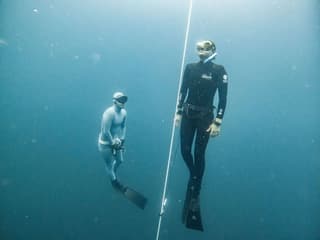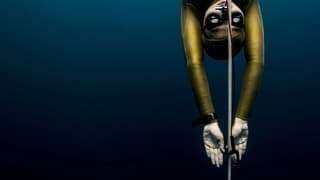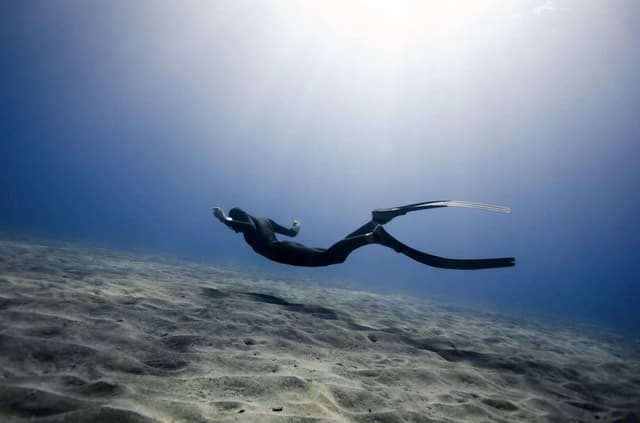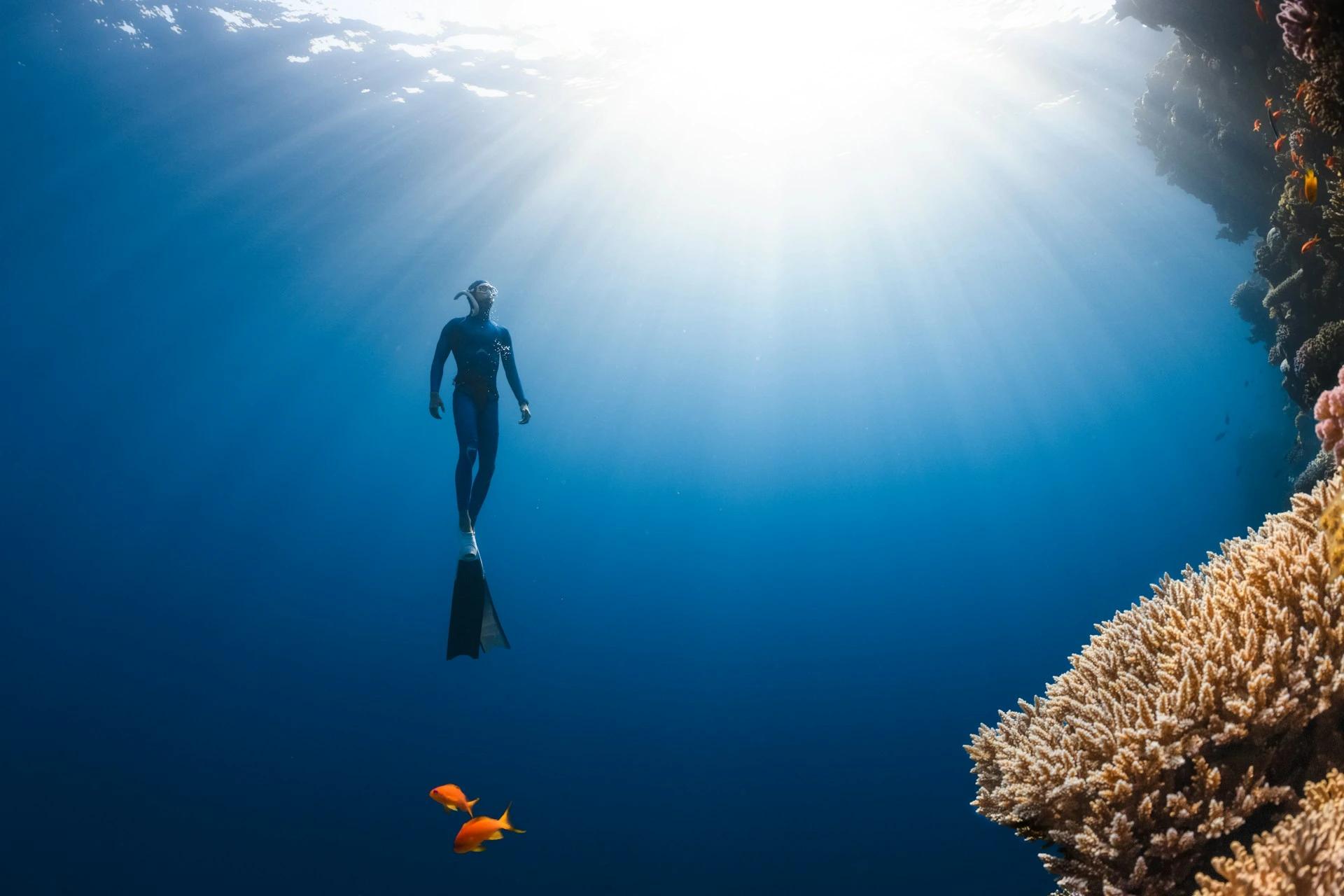
Freediving is breath-hold diving without scuba equipment. The basic idea is simple: one breath, a controlled descent, and a safe return to the surface with a trained buddy. What makes the sport different from casual snorkeling is the structure behind it. Good freediving training combines equalization, relaxation, depth technique, rescue skills, and session planning so you can progress without turning every dive into a physical fight.
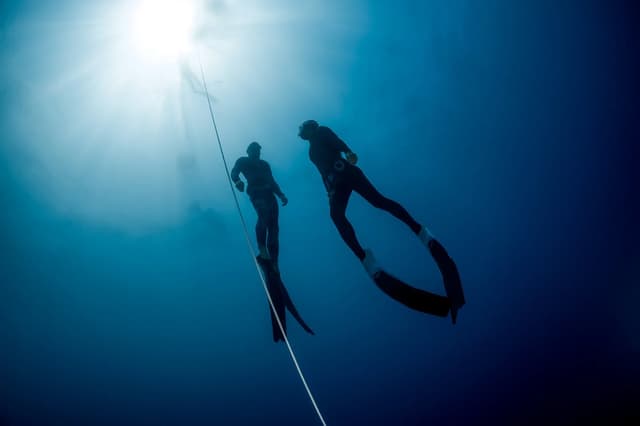
Freediving is breath-hold diving without scuba equipment. The basic idea is simple: one breath, a controlled descent, and a safe return to the surface with a trained buddy.
What makes the sport different from casual snorkeling is the structure behind it. Good freediving training combines equalization, relaxation, depth technique, rescue skills, and session planning so you can progress without turning every dive into a physical fight.
What happens in a beginner freediving course
Most entry-level courses teach static breath-holds, pool technique, duck dives, line diving basics, and partner safety. You also spend time on breathing habits, pre-dive checks, and how to avoid the common beginner mistake of pushing too hard too early.
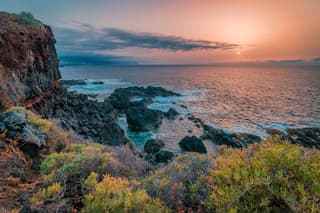
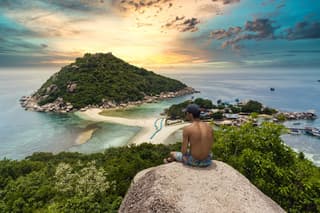
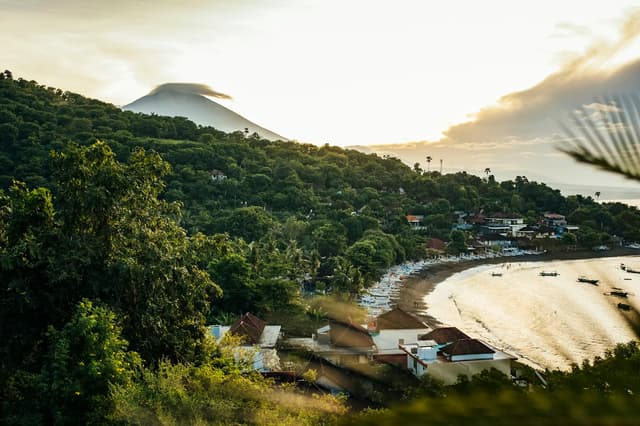
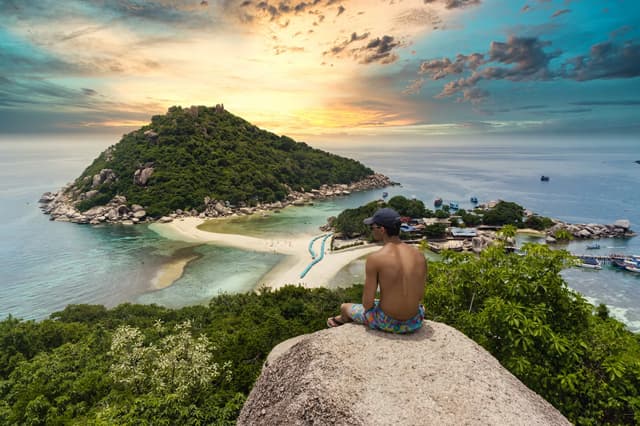
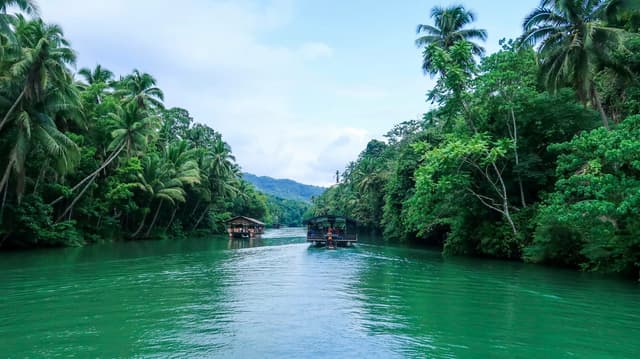
The first course is less about chasing a number and more about building a repeatable system. That is why beginner-friendly destinations such as Bali, Koh Tao, and Panglao work well: they combine calm water, established schools, and enough depth to learn the fundamentals without overcomplicating the environment.
Why people get into freediving
Some people come from scuba or surfing and want a quieter underwater experience. Others are drawn to the mental side of the sport: breath control, relaxation, and the feedback loop of technique improving results.
What beginners should care about first
Your first decisions should be instructor quality, safety standards, and water conditions, not the deepest athlete you can find on Instagram. Look for a school that teaches rescue properly, keeps groups manageable, and can explain how the course actually runs day to day.
Once those basics are covered, compare destinations by travel time, water temperature, and whether the training site is mostly shore access, boat access, or pool-based. That gives you a far better starting point than simply looking for the cheapest course.
Common questions
Is freediving only for advanced athletes?
No. Most people start with a beginner course, and the first goal is safe technique rather than extreme depth.
Do you need scuba experience before starting freediving?
No. Plenty of new freedivers start with no scuba background at all.
Where should a beginner start freediving?
Start with a certified school in a destination known for calm training conditions, clear logistics, and several course options.