Shallow water blackout is a hypoxic loss of consciousness that can happen without a reliable warning, especially after overbreathing. Prevention depends on calm breathing, direct buddy supervision, conservative progression, correct weighting, and stopping after any LMC or blackout.
Shallow water blackout is a hypoxic loss of consciousness during, near the end of, or just after a breath-hold. The highest-risk pattern is overbreathing before a dive: CO2 drops, the urge to breathe is delayed, and oxygen can fall too low before the diver feels a reliable warning.
The practical prevention rule is simple: never freedive alone, do not hyperventilate, use direct buddy supervision, and stop the session after any loss of motor control or blackout. This guide is education, not medical advice; rescue skills belong in an in-person freediving certification course.
Why blackout happens
The urge to breathe is driven mainly by rising CO2, while blackout is caused by oxygen falling too low for the brain. Hyperventilation can lower CO2 enough that the normal warning arrives late, even though oxygen stores have not meaningfully increased.
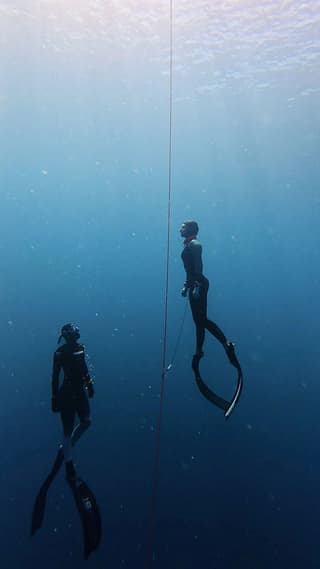
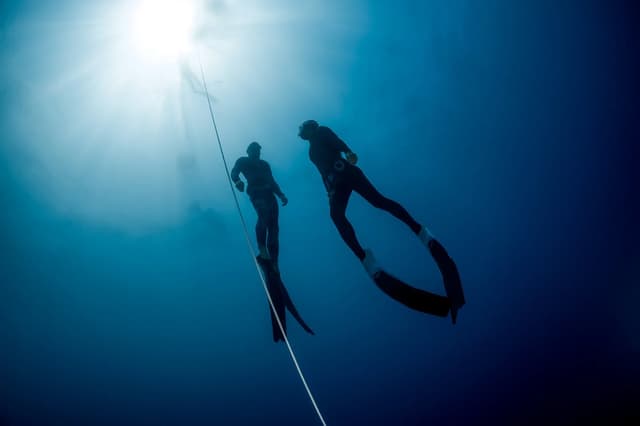
During ascent from depth, falling ambient pressure can make available oxygen drop quickly in the final meters. That is why safety divers meet athletes during ascent in competitions and why recreational divers need direct buddy attention through surfacing and recovery breathing.
Warning signs and LMC
Loss of motor control (LMC, often called samba) is a serious hypoxic event, not a funny near-miss. Signs can include twitching, poor posture, unfocused eyes, shaky breathing, or inability to give a clear OK signal.
Any LMC means the diver stops for the day. Treat it as evidence that the dive profile, breathing, rest interval, or conditions were too aggressive.
Prevention rules that matter most
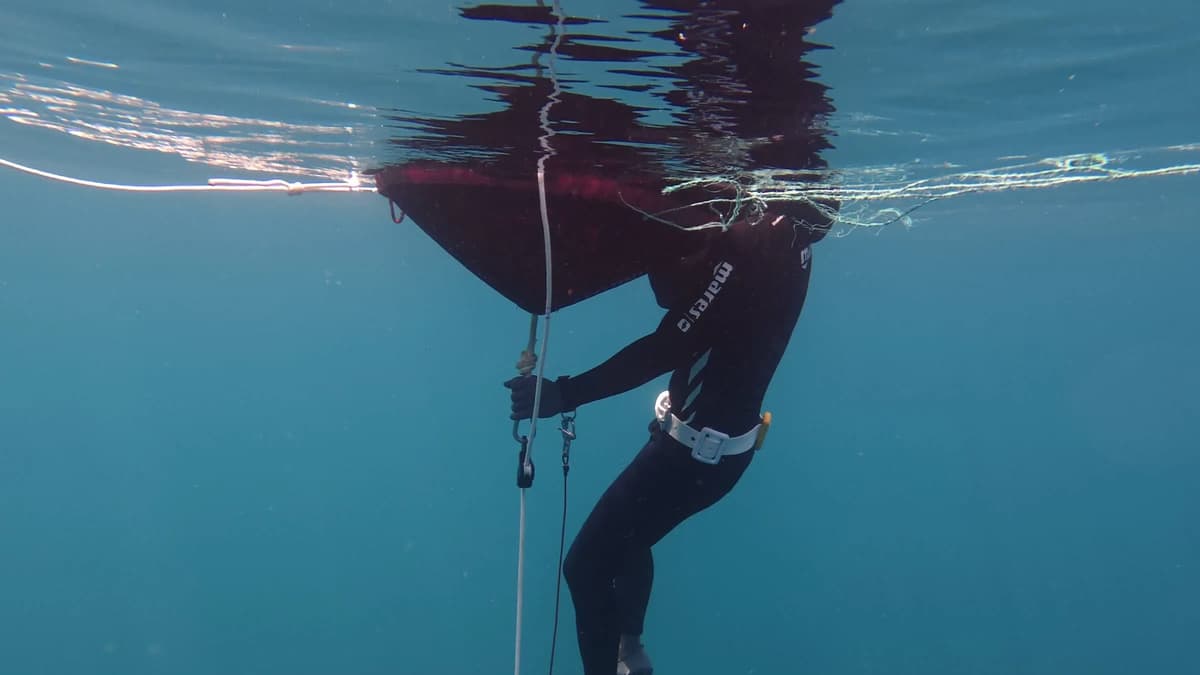
Use calm preparation breathing and avoid repeated deep cleansing breaths. Dive with a trained buddy who watches the active diver, not their own watch or camera. Use conservative weighting so you are positively buoyant near the surface.
Take adequate surface intervals, build depth and time gradually, and keep sessions boring enough that you can repeat them safely. A beginner who wants longer holds should start with supervised basics and conservative breath-hold training, not maximal attempts.
What to do if someone blacks out
Bring the airway above water immediately, support the head, remove the mask if needed, blow/tap/talk to stimulate breathing, and call for help. If the diver does not resume breathing promptly, begin rescue breathing and activate emergency services according to your training.
Even if the diver recovers quickly, the session is over. The diver should be monitored, avoid further diving, and seek medical evaluation when appropriate, especially after water inhalation, prolonged unconsciousness, chest symptoms, or confusion.
Why proper training matters
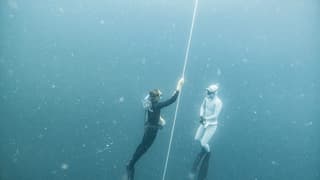
Good schools teach the skills that internet articles cannot verify: rescue position, surface protocol, lanyard handling, buddy rotation, weighting checks, and when to cancel a dive. Destinations like Dahab, Koh Tao, and Bali have schools that teach these routines every week.
If a school treats blackout prevention as optional, choose another school. Safety culture is a core product feature in freediving, not a disclaimer.
Common questions
Is freediving dangerous?
Freediving carries real risks, but proper training, a competent buddy, and structured safety protocols reduce them significantly. Most accidents involve untrained or unsupervised divers.
Can you prevent shallow water blackout?
Yes. Avoid hyperventilation, never dive alone, use proper weighting, take adequate surface intervals, and train with a certified school that teaches rescue skills.
What is the difference between LMC and blackout?
LMC (loss of motor control) is the stage before full blackout. The diver may twitch, lose coordination, or be unable to signal. It means oxygen was dangerously low, and the margin to unconsciousness is very small.