Most people can learn to hold their breath for 2 to 4 minutes with proper technique and training. The key is relaxation, efficient breathing, and structured CO2 tolerance work rather than forcing longer holds through willpower. Holding your breath longer is mostly a skill problem, not a toughness problem. New freedivers often improve quickly once they stop over-breathing, relax their body properly, and learn how to pace contractions instead of reacting to them.
Most people can learn to hold their breath for 2 to 4 minutes with proper technique and training. The key is relaxation, efficient breathing, and structured CO2 tolerance work rather than forcing longer holds through willpower.
Holding your breath longer is mostly a skill problem, not a toughness problem. New freedivers often improve quickly once they stop over-breathing, relax their body properly, and learn how to pace contractions instead of reacting to them.
Start with relaxation, not lung punishment
A stressed body burns oxygen fast. Before you chase a bigger static number, clean up the basics: quiet breathing, a comfortable setup, relaxed shoulders, and no last-second panic inhale.
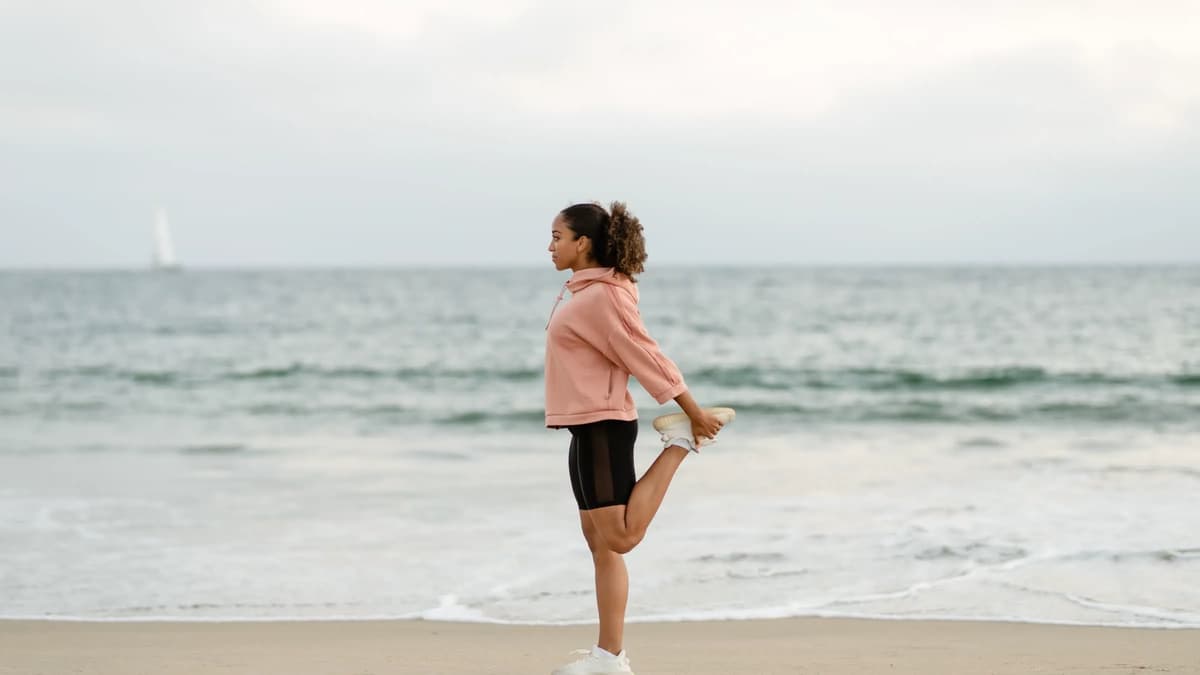
Many divers benefit from a calmer breathe-up, light shoulder opening, and gentle diaphragm mobility work before a session. The point is not to force range. It is to arrive at the breath-hold feeling less cramped and less rushed.
Train breath-holds with structure
Use manageable breath-hold work two or three times per week instead of trying to max out every day. CO2 work can improve comfort with contractions, while technique sessions in the pool or on the line improve efficiency once you are moving.
A location such as Deep Dive Dubai works for controlled pool-style practice, while destinations such as Panglao or Moalboal make it easier to combine pool basics with open-water training under supervision.
Avoid the common mistakes
Do not hyperventilate, do not train alone in water, and do not treat discomfort as proof that the session is productive. Better sessions feel repeatable, not heroic.
Gentle diaphragm stretches can help, but skip vacuum or empty-lung exercises until a coach has taught them: they carry real squeeze and lightheadedness risk and are not beginner drills. If your breath-hold progress stalls, review recovery, hydration, and tension before assuming you need a harder table.
Common questions
What is the safest way to improve breath-hold time?
Start with dry training at home, lying on the floor or a couch. Structured CO2 tables and relaxation drills are safe to do alone on dry land. Add pool and open-water training with a buddy once you have the basics.
Do CO2 tables automatically make you a better freediver?
No. They are useful, but only when paired with technique, equalization, and safety practice.
Can you train breath-holds alone?
Dry training is safe to do alone, on the floor, in bed, or on the couch. Never train breath-holds alone in water. Water training always requires a trained buddy or proper supervision.