Choose mobility work for a specific movement or comfort problem. Keep ordinary stretches separate from apnea, and get coaching for advanced pressure-related practices.
Mobility work is easier to assess when you name the movement you want to make more comfortable. That might be an overhead arm position or an ankle movement, rather than a general goal to become “more flexible for depth.”
This guide covers ordinary dry-land mobility with normal breathing. Advanced lung-volume and pressure exercises are outside its scope; copying an athlete’s routine is not a way to establish that it is appropriate for you.
Thoracic and rib-cage mobility: comfort, not depth chasing
If an overhead position or upper-back movement is uncomfortable, describe it to a coach or physiotherapist. They can help distinguish a range-of-motion problem from technique, load or an injury.
Ordinary mobility should not be marketed as protection against lung squeeze. Research on deep freediving describes pressure-related lung risks; a comfortable stretch does not measure lung tolerance or establish a safe depth.
Keep advanced lung work out of a beginner routine
For ordinary dry-land mobility, breathe normally and choose comfortable movements. Do not add empty-lung holds, packing or pressure-producing stretches because they appear in an athlete’s training video.
Ask a qualified coach to distinguish general mobility from advanced lung and diaphragm practices. A page about flexibility should not imply that stretching prevents squeeze or makes extra depth safe.
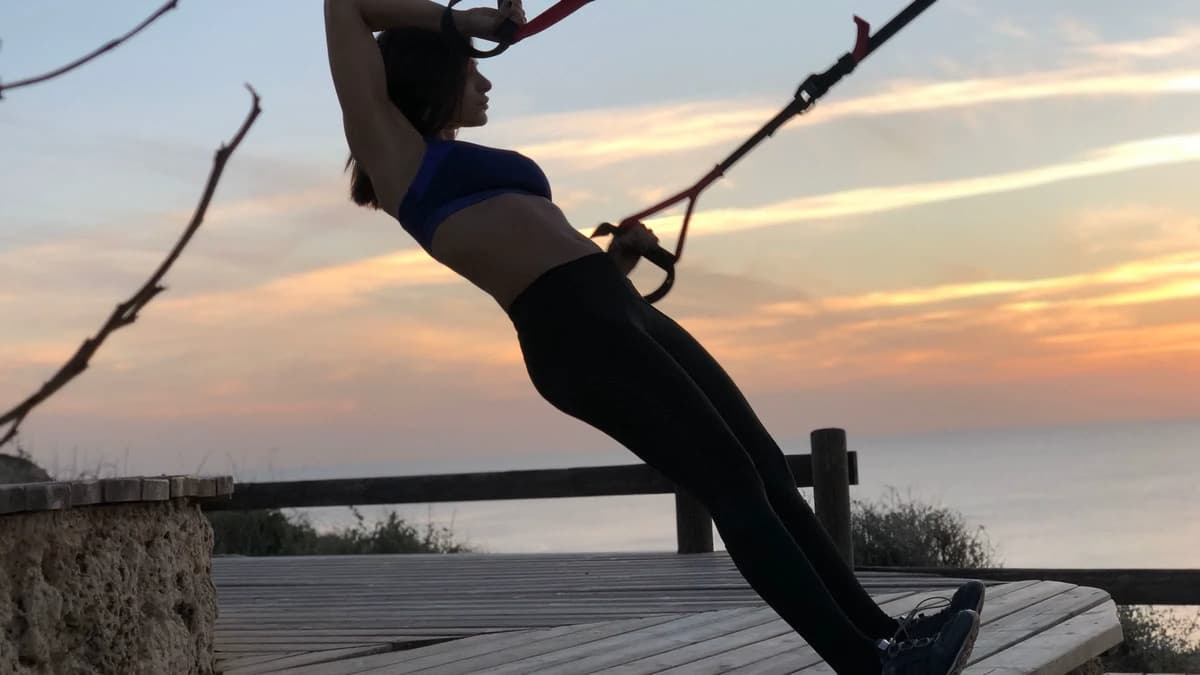
Ankle movement and finning questions
Dorsiflexion brings the foot toward the shin; plantarflexion points it away. Those are different movements, so “ankle flexibility” is not a single measurement.
Have a coach observe your kick and equipment fit before deciding that ankle range is the problem. A study or clinical discussion of ankle dorsiflexion does not by itself establish better freediving performance or fewer cramps. Persistent pain or recurring symptoms need assessment.
Hips and streamlining
Ask a coach to observe the position you actually use in the water. If you cannot hold it comfortably, discuss technique, equipment and movement options rather than assuming that tight hips are the cause.
Choose an exercise for a defined problem, then reassess that problem. A larger stretch range is not automatically a better swimming position.
Neck and jaw: observations for your instructor
Notice whether you clench your jaw or tense your neck during a task, and report that to your instructor. It is useful feedback for an equalization lesson, but a stretch cannot diagnose or resolve every equalization problem.
Do not stretch through neck pain or use pressure to overcome an ear problem. Keep possible injury separate from a technique discussion.
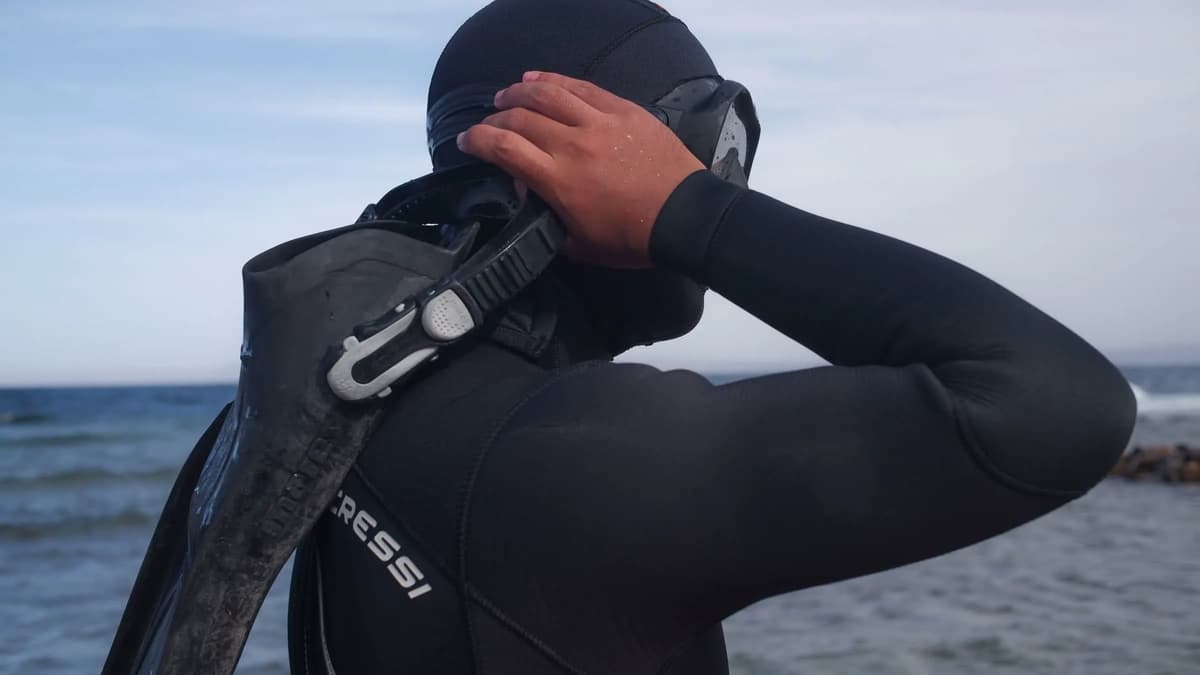
How to stretch safely around diving
For general stretching, warm up first, move slowly within a comfortable range and breathe normally. Stop for pain. These are general exercise principles, not a freediving depth protocol.
Agree the timing and purpose of mobility work with your coach. Do not add intense unfamiliar exercises immediately before a session or continue if they leave you uncomfortable. Keep packing, empty-lung holds and other advanced pressure work out of a beginner routine.
Choose the next exercise with a coach
- Name the movement that is uncomfortable, rather than asking for more flexibility in general.
- Check whether equipment fit or technique contributes before assuming that range of motion is the problem.
- Ask for a comfortable exercise and a way to judge its effect.
- Review persistent pain or recurrent symptoms with a qualified professional.
Common questions
Will stretching let me dive deeper?
Improved range of motion does not establish a deeper safe dive or protection against lung squeeze. Work on a specific movement goal, and make depth decisions separately with a qualified coach.
Why do my ankles matter so much for finning?
Ankle movement is one thing a coach may examine when assessing your kick. Technique and fin fit matter too. Do not assume that ankle stretching alone will improve propulsion or prevent cramps.
Should I stretch right before a dive?
Use the warm-up agreed with your coach and keep it familiar and comfortable. Plan focused flexibility work for a suitable time in your week, rather than treating an intense last-minute stretch as preparation for more depth.
Are lung-stretching exercises safe to try at home?
This guide does not teach advanced lung stretches, packing or empty-lung work. Those practices require individual assessment and appropriate instruction. For ordinary mobility, keep breathing normally and stop for pain.