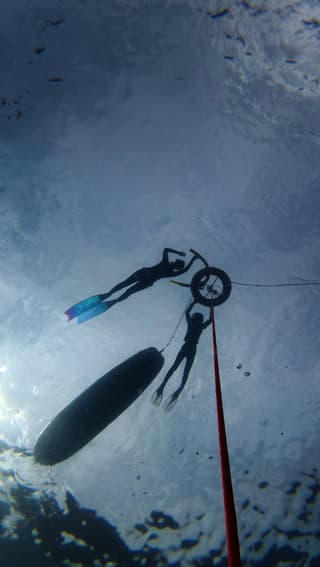
CO2 tables are a training tool, not a shortcut. They can improve how calmly you handle rising carbon dioxide, but they do not replace rescue practice, depth technique, or equalization skill. The most useful way to think about tables is this: they make the discomfort more familiar so you can stay composed. That only matters when the rest of your freediving system is already safe and structured.
CO2 tables are a training tool, not a shortcut. They can improve how calmly you handle rising carbon dioxide, but they do not replace rescue practice, depth technique, or equalization skill.
The most useful way to think about tables is this: they make the discomfort more familiar so you can stay composed. That only matters when the rest of your freediving system is already safe and structured.
What CO2 tables actually train
A standard CO2 table reduces rest time while keeping breath-hold time relatively stable. That makes contractions arrive sooner and teaches you to stay calmer while the urge to breathe builds.
That can be useful for static work and for confidence under controlled stress, but it is only one part of the picture. Efficient finning, clean turns, and smooth equalization usually matter more in open water.
Here is an example CO2 table for a diver with a 3-minute max static hold. The hold stays at 50% of max (1:30) while rest shrinks each round:
| Round | Rest | Hold |
|---|---|---|
| 1 | 2:00 | 1:30 |
| 2 | 1:45 | 1:30 |
| 3 | 1:30 | 1:30 |
| 4 | 1:15 | 1:30 |
| 5 | 1:00 | 1:30 |
| 6 | 0:45 | 1:30 |
| 7 | 0:30 | 1:30 |
| 8 | 0:15 | 1:30 |
Adjust the hold time to 50% of your own max. CO2 tables are safe to do alone on dry land, lying on the floor, in bed, or on a couch. If contractions feel unmanageable by round 6, the table is too aggressive. The goal is controlled discomfort, not distress.
How to use tables responsibly
Keep them submaximal, track recovery, and do not stack them on top of heavy open-water sessions when you are already tired. Many divers keep CO2-table holds well below their maximum and use the shrinking recovery interval as the real training stress.
If you are training toward higher certification levels, tables make more sense as part of a plan that also includes pool technique and coached depth. Places such as Phuket, Dahab, and Bali support that broader mix well.
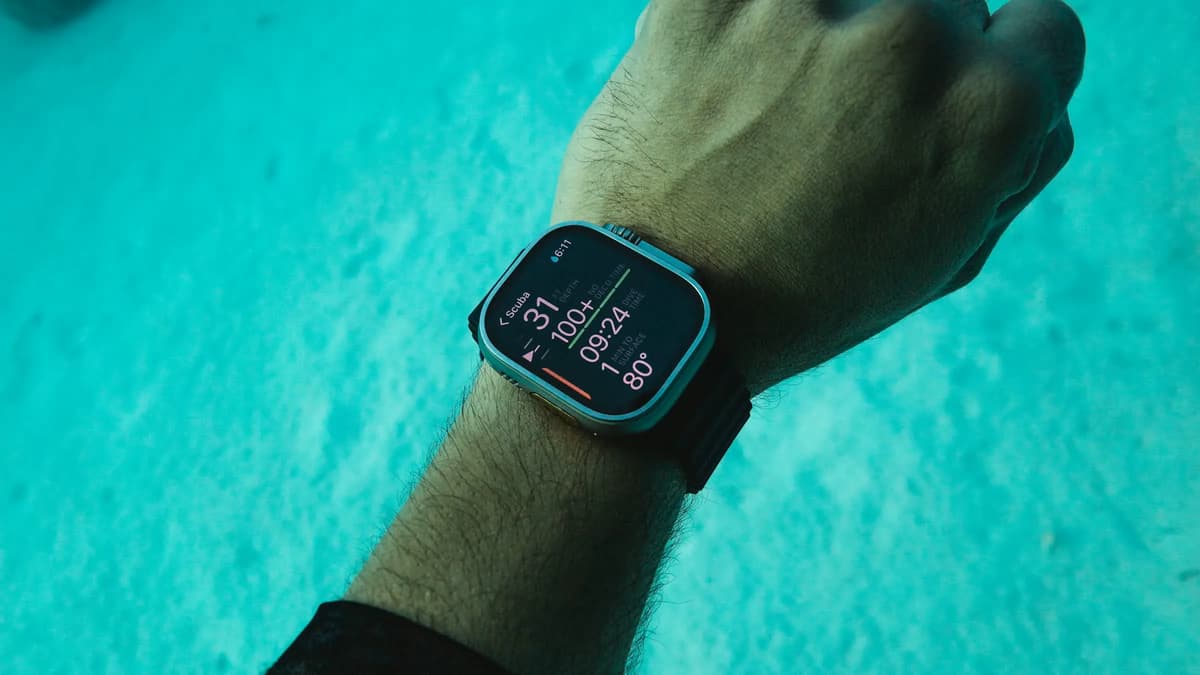
When to use CO2 tables and when to use O2 tables
CO2 tables usually keep the hold time steadier while the rest interval gets shorter, so they are mainly about becoming calmer as the urge to breathe arrives earlier. O2 tables usually do the opposite: the recovery time stays fixed while the holds get longer, so the body spends more time working under lower oxygen.
If you are still struggling with equalization, body tension, or buddy procedures, neither style should be the main priority. Solve the basics first. Likewise, if you are returning from a layoff or a heavy travel week, rebuild rhythm with easier sessions instead of forcing discomfort tolerance work.
Common questions
Do CO2 tables increase depth by themselves?
No. They help with comfort under rising CO2, but depth also depends on technique, equalization, and efficient movement.
How often should you do CO2 tables?
Usually one or two controlled sessions per week is enough when they are part of a wider plan.
Should beginners focus on tables first?
Usually no. Beginners get more value from safety, relaxation, and coached technique work first.