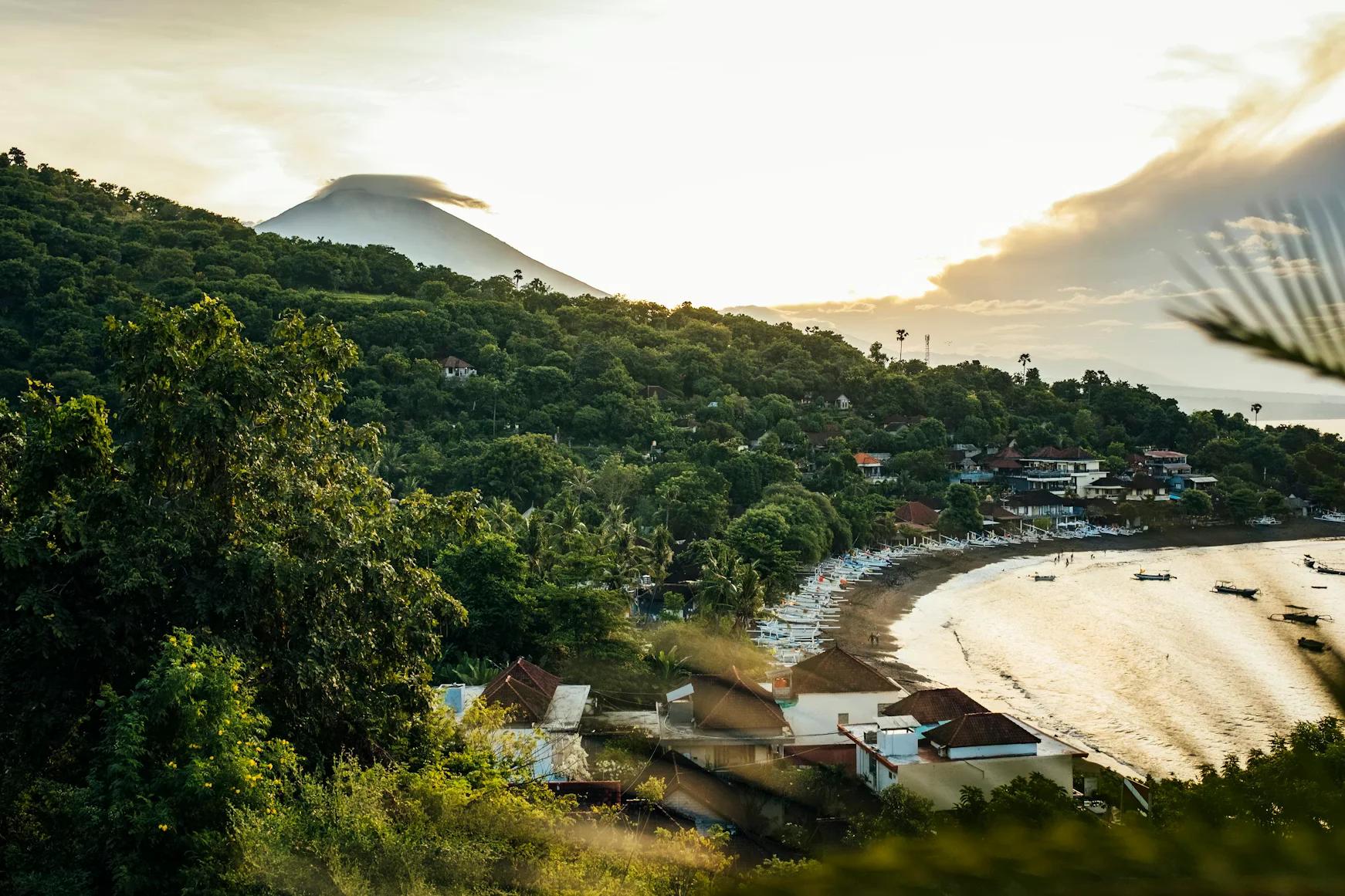
Freediving in Bali
Bali is best known for accessible wreck diving alongside repeatable training sessions, making it a strong choice for beginners, community training, and wreck exploration.
Max Depth
Water Temp
Visibility
Water Type
Schools
Why train here
Why freedivers choose Bali
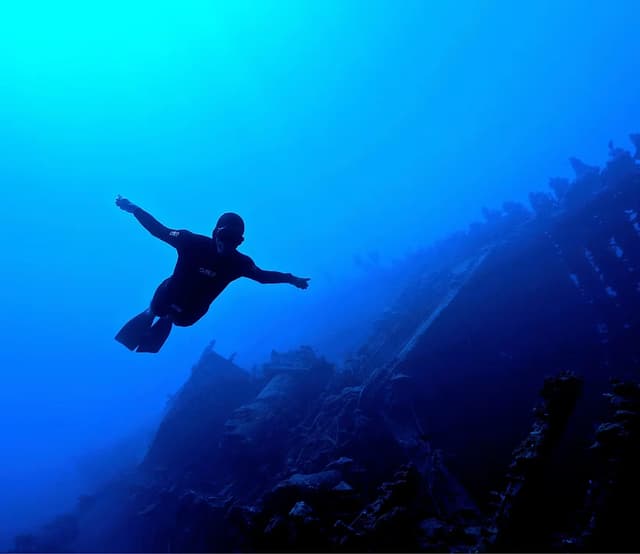
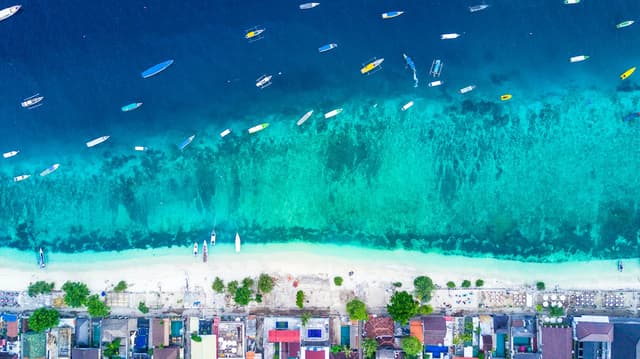
Bali is a world-class freediving destination. Jemeluk Bay in Amed offers deep water just 50m from the shore, while Tulamben is home to the famous USAT Liberty wreck, accessible to freedivers at 5m-28m.
Bali has 7 listed schools operating locally. With good visibility, water temperatures from 27°C to 30°C, and best months around April–November, the local training profile is clear.
Ideal for
Who Bali is best for
A quick view of who this destination works for at different stages.
Beginners
Multiple schools in Amed with shore access and warm water make first courses straightforward.
Progression
Shore-accessible depth up to 80m plus the USAT Liberty wreck adds variety to training sessions.
Advanced focus
Depth caps around 80m with low current, so better for mid-level training than elite depth work.
Why this destination
What makes Bali special
These are the traits that shape how training feels once you are in the water.
Signature draw
accessible wreck diving alongside repeatable training sessions
Training upside
Jemeluk Bay shore-accessible depth up to 50m+
Local advantage
Freediving the USAT Liberty wreck in Tulamben
What to know
the transfer is longer than a quick airport hop
Training environment
Training conditions in Bali
Bali is mainly a shore-access destination, with training depth up to 80 m and low current exposure across the core sessions.
The destination's combination of warm water, shore access, and an established freediving scene with mostly shore-based access to the training site is the practical constraint on water time and day-to-day repeatability. The main tradeoffs are the transfer is longer than a quick airport hop.
Seasonality
Best time to freedive in Bali
The usual sweet spot for Bali is April–November. That window tends to offer the best balance of water comfort, repeatable sessions, and fewer day-to-day surprises for training plans.
Expect water temperatures between 27°C and 30°C with good visibility.
Beginner guide
Is Bali good for beginner freedivers?
Multiple schools in Amed with shore access and warm water make first courses straightforward.
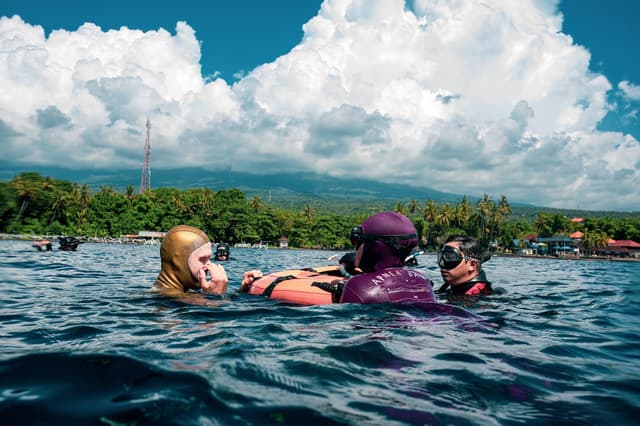
The listed school inventory adds course options for beginners, with local operators handling safety and day structure.
Practical info
Getting there
Nearest Airport
Ngurah Rai International (DPS)
Transfer Time
3 hours by car
Visa Note
Visa on arrival (B1/B3)
Best Months
April, May, June, July, August, September, October, November
Map
Map view for Bali, Indonesia.
Map data © OpenStreetMap contributors. Ocean overlay © Esri, GEBCO, NOAA, Garmin, and contributors. Open full map
Learn
Learn before diving Bali
Guides connected to Bali, from safety and training basics to destination planning.
What Is Freediving? A Clear Beginner Introduction
Understand what freediving is, how courses work, and where beginners usually start training.
Freediving Training: What To Practice On Land, In the Pool, and In Open Water
Break freediving training into technique, conditioning, equalization, and rescue skills so progress stays measurable.
Freediving Mobility: What to Work On
A practical overview of comfortable mobility for finning, posture and relaxation, with clear limits around advanced lung-stretching practices.
Schools
Freediving schools in Bali
Bali currently lists 7 schools with certification, language, facilities, and pricing details.





Nearby alternatives
Nearby alternatives to Bali
These alternatives stay close to the same geography, water setup, or training style.
Got questions?
Questions about freediving in Bali
Everything you need to know about freediving, training, and choosing the right destination.
01 Is Bali good for beginner freedivers?
Multiple schools in Amed with shore access and warm water make first courses straightforward.
02 What is the best time to freedive in Bali?
The best months are usually April–November when the balance of comfort, visibility, and session repeatability is strongest.
03 How deep is Bali for freediving?
Bali offers access up to roughly 80m, which is enough to support both course work and more committed training depending on the local setup.
04 How do you get to Bali?
Most visitors fly into Ngurah Rai International (DPS) and then transfer 3 hours by car to reach Bali.
05 Are there freediving schools in Bali?
Yes. There are 7 listed schools in Bali.
06 How much does a freediving course cost in Bali?
Beginner freediving courses in Bali typically range from $250 to $500 depending on the school, certification agency, and course duration. Compare schools and pricing on the destination page.