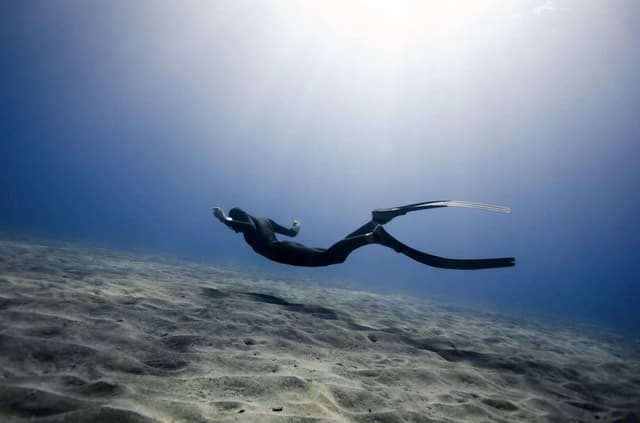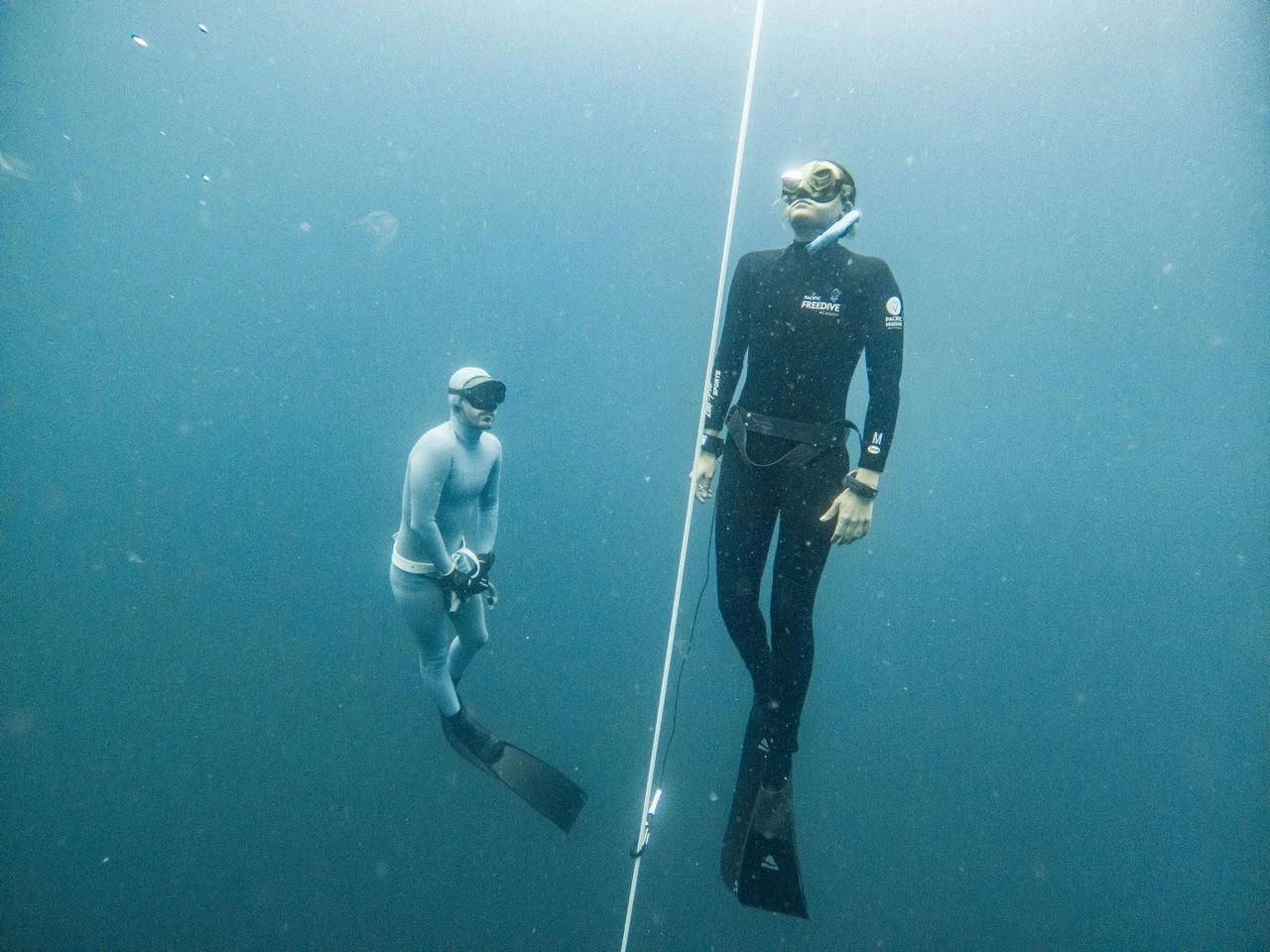
Your first freediving course should feel clear, not overwhelming. The best setup is usually simple: a school with a strong beginner reputation, a destination with calm conditions, and enough time to absorb the safety and equalization basics properly. The mistake most first-timers make is shopping almost entirely on price or headline depth. Better decisions come from comparing how the course is taught, how easy the logistics are, and whether the local conditions actually support beginner progress.
Your first freediving course should feel clear, not overwhelming. The best setup is usually simple: a school with a strong beginner reputation, a destination with calm conditions, and enough time to absorb the safety and equalization basics properly.
The mistake most first-timers make is shopping almost entirely on price or headline depth. Better decisions come from comparing how the course is taught, how easy the logistics are, and whether the local conditions actually support beginner progress.
Pick the right kind of destination first
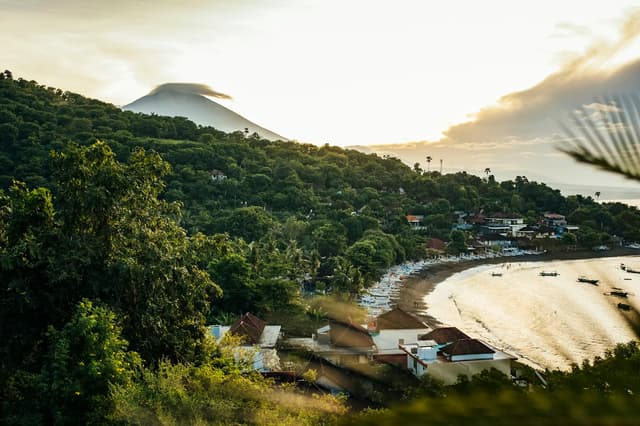
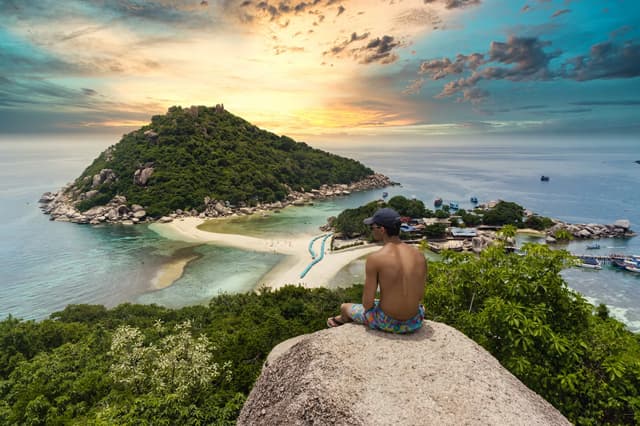
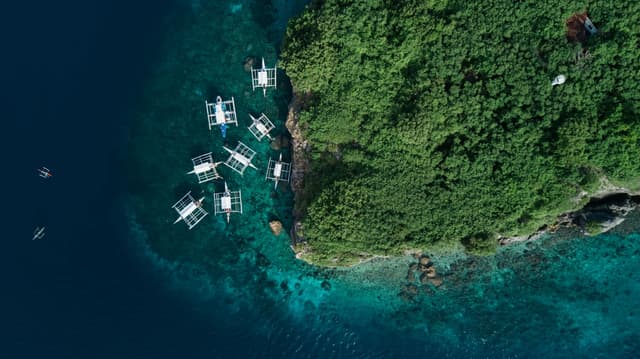
Warm water, easy access, and multiple school options make it easier to find a good first course. Bali, Koh Tao, Panglao, and Moalboal are strong examples because they combine travel convenience with an established training scene.
If your goal is controlled practice more than ocean travel, a facility-based option such as Deep Dive Dubai can also make sense. The right answer depends on whether you want a vacation setting or the most predictable environment possible.
Then compare schools, not just prices
Look at certifications offered, class structure, rescue emphasis, and how much direct coaching you actually get. A cheap course with weak supervision is not a good deal.
Read the curriculum through the lens of fit. Some schools are especially good with complete beginners. Others are better once you already know you want a more training-focused environment.
Use the first course as the start of a path
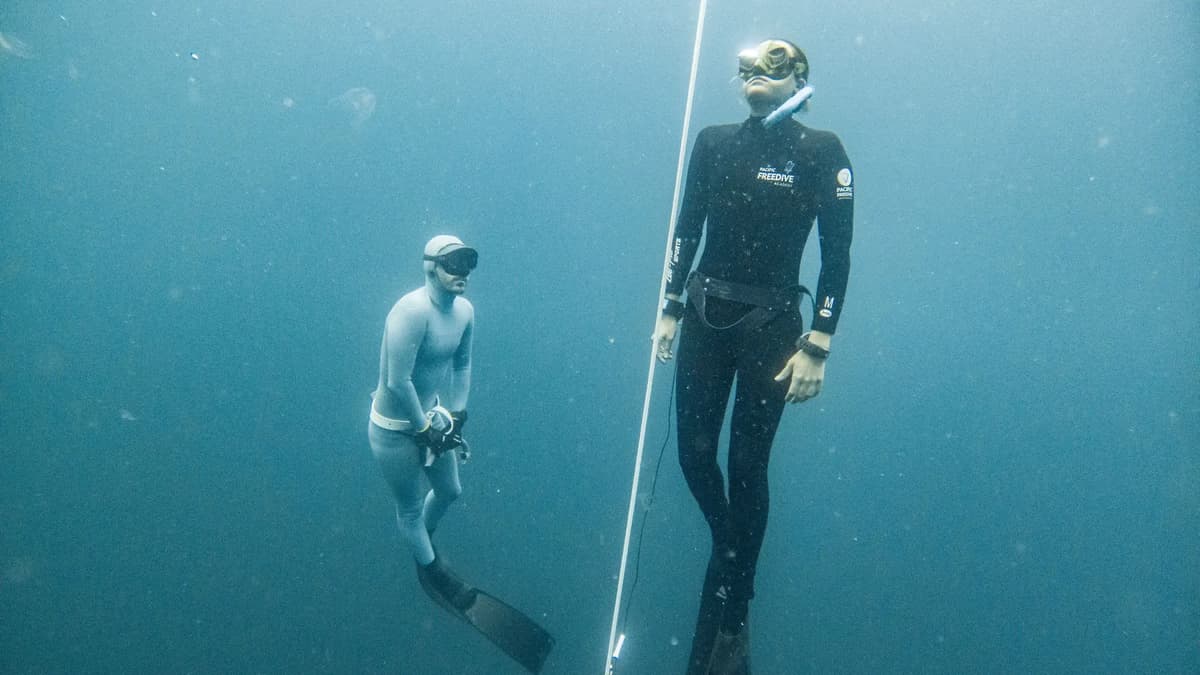
A first course should give you safe habits and enough feedback to know what comes next. Maybe that means another beginner trip in a tropical destination. Maybe it means a certification ladder toward depth training in Dahab or Tenerife.
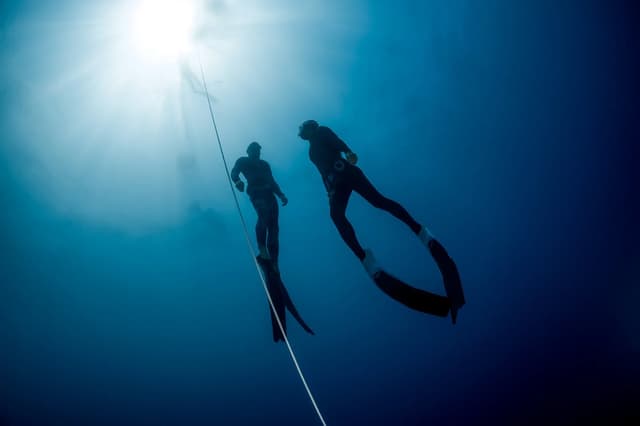
The key is to leave with a system: buddy skills, recovery habits, equalization basics, and a realistic idea of where you want to train next.
Common questions
What makes a destination good for a first freediving course?
Look for calm conditions, easy logistics, and enough school choice to compare teaching style and safety standards.
Should beginners choose the cheapest freediving course?
Not by itself. Coaching quality, rescue standards, and day-to-day course structure matter more than the headline price.
What should you learn in a first freediving course?
You should leave with solid safety habits, breath-up basics, equalization foundations, and clear next steps for practice.