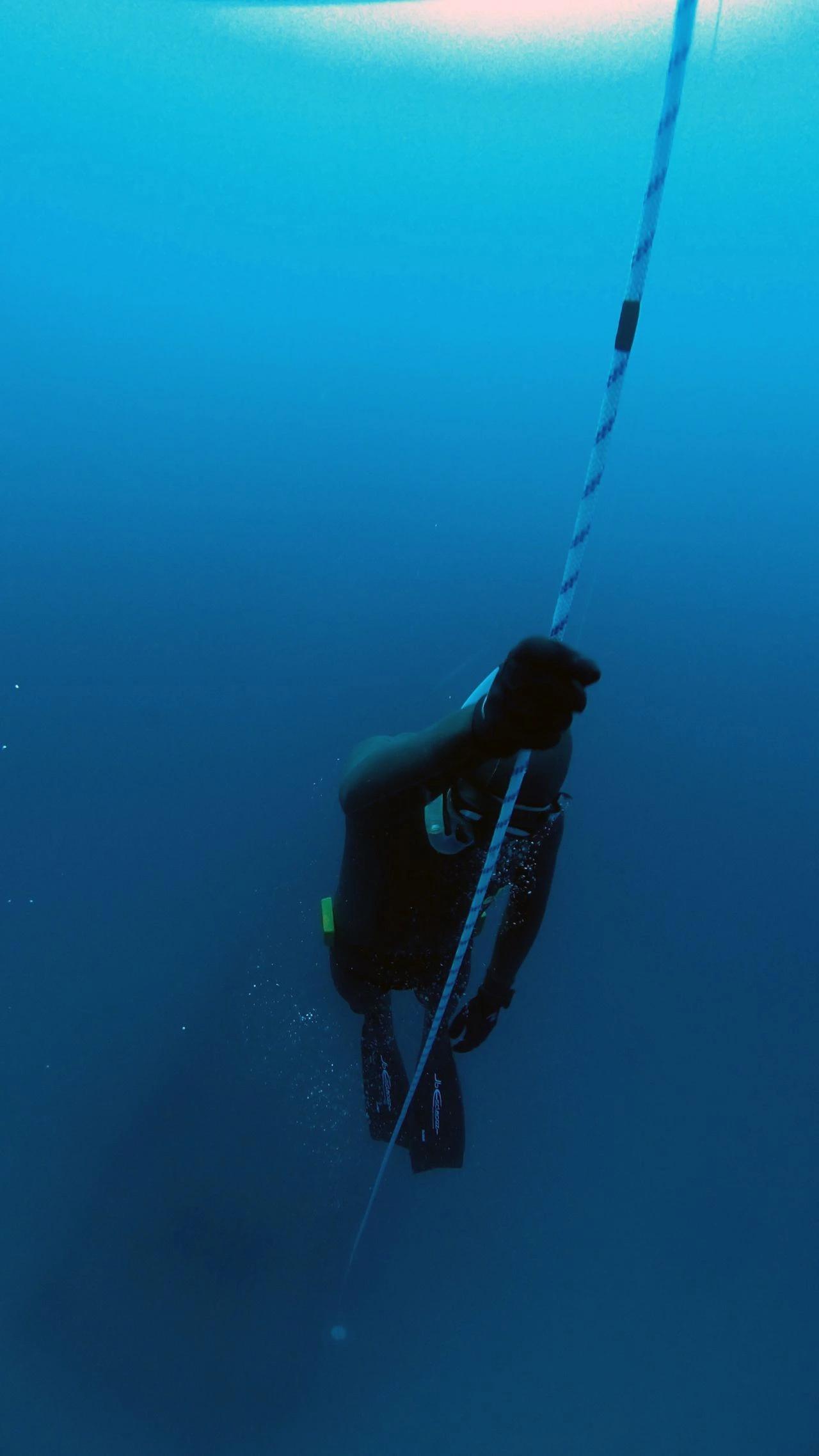
AIDA, SSI, PADI, and Molchanovs are all viable freediving certification paths. Choose by instructor quality, safety culture, school availability, and progression fit; the agency logo matters less than whether the course teaches safe buddy practice, equalization, rescue, and conservative open-water skills.
AIDA, SSI, PADI, and Molchanovs can all be good freediving certification choices. The agency matters less than the instructor, safety culture, class size, water conditions, and whether the course level matches your current ability.
Use the agency comparison to plan progression, not to chase a logo. A strong beginner course should teach breathing, equalization, buddy safety, rescue basics, and conservative open-water practice before it sells you the next level.
AIDA: standardized and competition-adjacent
AIDA is a freediving-specific organization with a long competition and record-keeping history. Its course pathway is attractive when you want standardized requirements and a direct connection to AIDA competition culture.
SSI: broad dive-center availability
SSI is integrated into a large dive education network, so availability is often strong in mixed scuba/freediving destinations. Official SSI standards describe Level 1 training as preparing students to freedive with an equally or more qualified buddy within trained limits.
SSI can be convenient in places with many dive centers, including Koh Tao, Bali, and the Gili Islands.
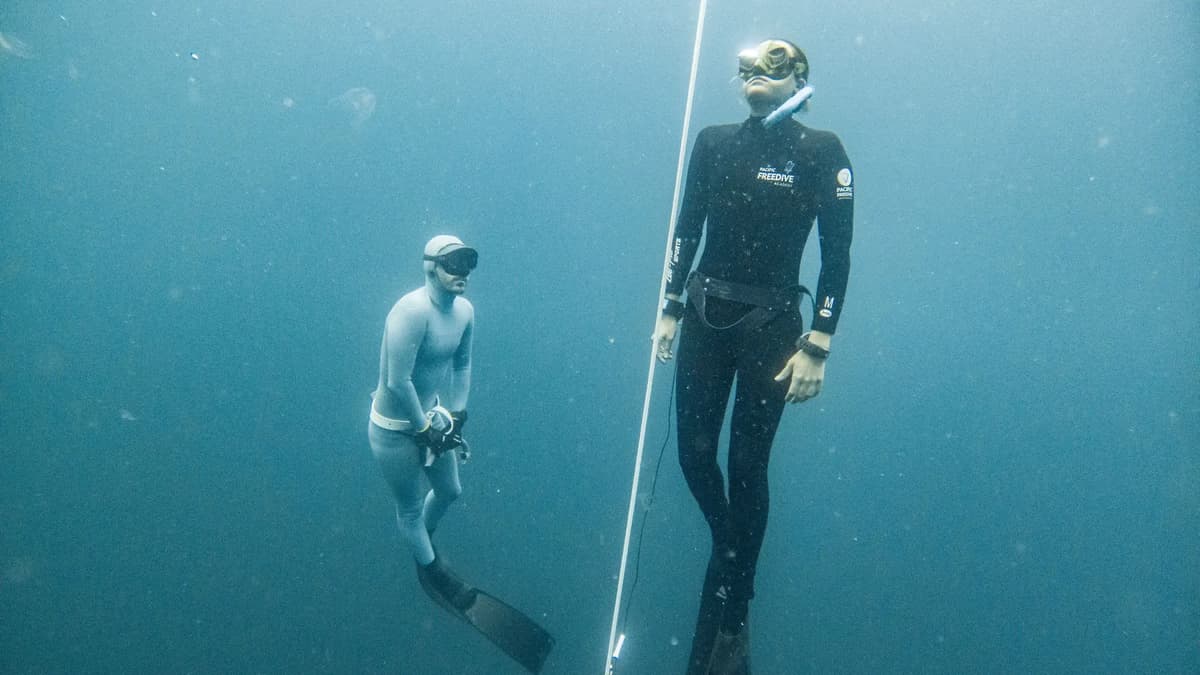
PADI: global recognition and accessible structure
PADI has a large global brand and a recognizable freediving pathway from Basic Freediver through Advanced and Master Freediver. PADI's own program overview emphasizes that trained instruction reduces risks such as ear, sinus, lung injury, blackout, and drowning.
PADI is useful when transferability and easy course discovery matter, especially if you already use PADI for scuba and want a familiar learning platform.
Molchanovs: technique and training methodology
Molchanovs uses Wave and Lap courses, with an explicit training ecosystem and a strong technique emphasis. Its public education pages describe Wave 1 as beginner open-water training and later Waves as progressively deeper, more technical courses.
How to choose
Pick the instructor and school first. Ask about maximum class size, open-water conditions, rescue practice, equalization troubleshooting, and what happens if you do not meet a performance requirement during the course.
Crossovers are normal, but schools may ask you to demonstrate equivalent skills before joining a higher level. Start with the course that gives you the safest local training environment, then use freediving certification pages to compare the next step.
Common questions
Which freediving certification is the best?
There is no single best certification. AIDA, SSI, PADI, and Molchanovs all produce competent freedivers. Choose based on instructor quality and school availability at your destination.
Can you switch between certification agencies?
Yes. Most schools accept crossover students from other agencies. You may need to demonstrate equivalent skills, but you do not have to start over.
Is AIDA better than SSI for freediving?
AIDA has stricter depth requirements and is more competition-oriented. SSI offers more flexibility and broader availability. Neither is objectively better. It depends on your goals.