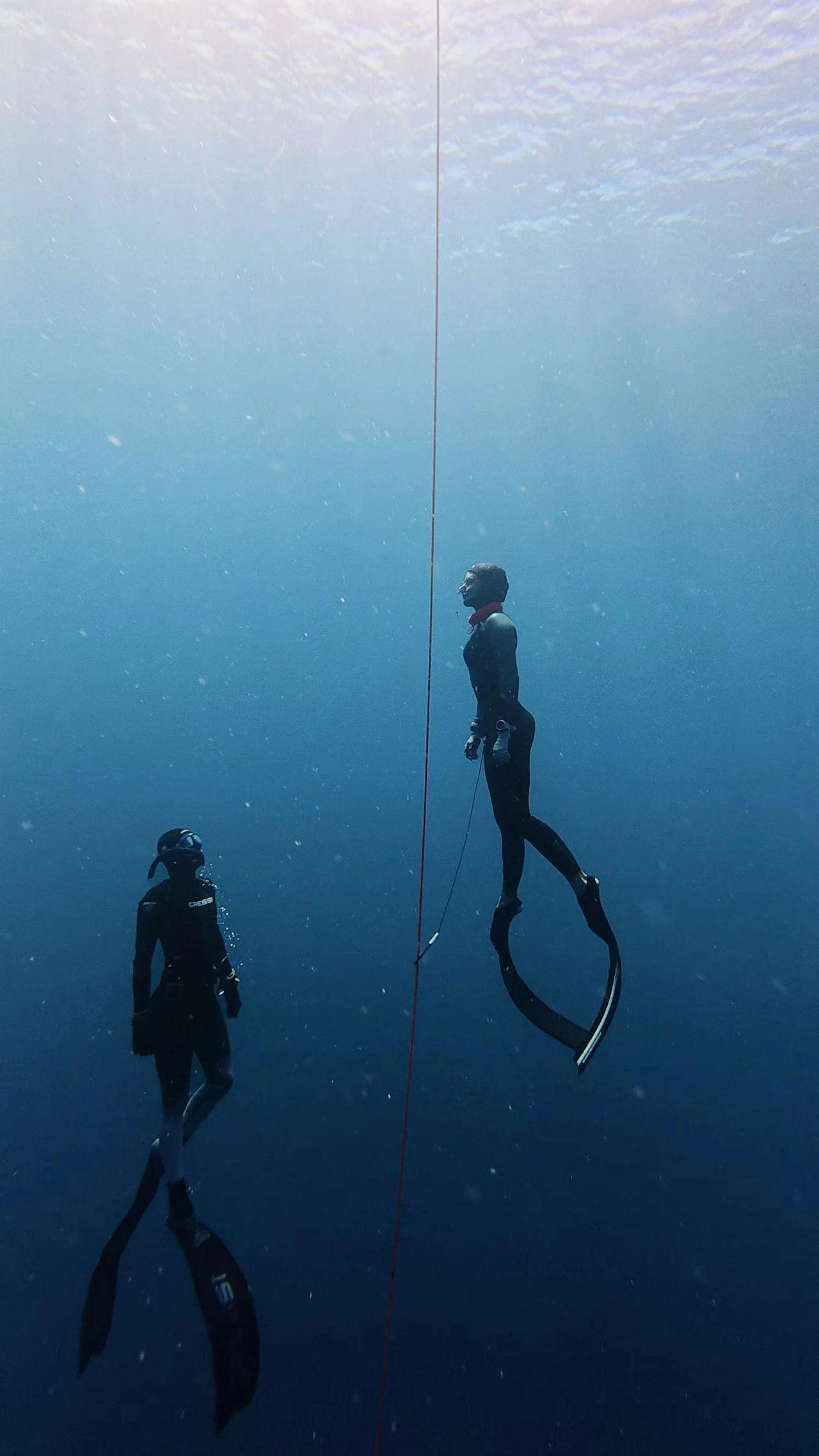
Freediving safety is mostly about habits. The strongest habit is simple: never train alone in water. Everything else builds on that rule, from surface supervision to recovery breathing to realistic session planning. Courses matter because they make those habits practical. A good beginner or crossover course teaches exactly how a buddy watches, when a rescue starts, and how to end a session before quality drops.
Freediving safety is mostly about habits. The strongest habit is simple: never train alone in water. Everything else builds on that rule, from surface supervision to recovery breathing to realistic session planning.
Courses matter because they make those habits practical. A good beginner or crossover course teaches exactly how a buddy watches, when a rescue starts, and how to end a session before quality drops.
The buddy system is not optional
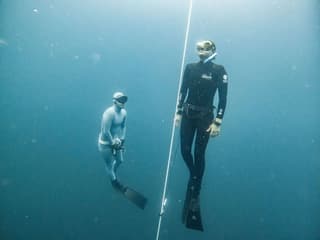
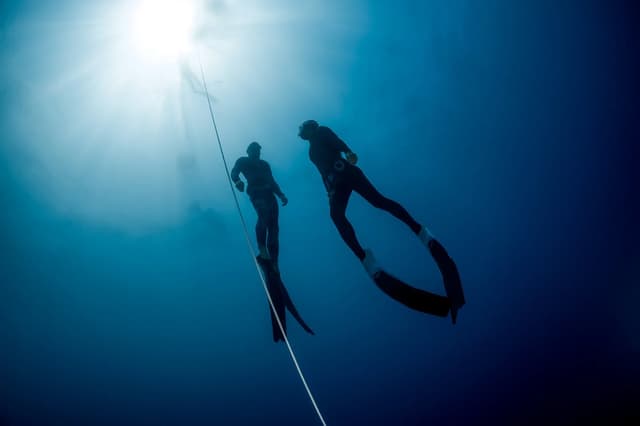
A real freediving buddy is close enough, attentive enough, and trained enough to intervene immediately. That is very different from just having another diver somewhere in the water.
When you compare schools, ask how they manage supervision, group size, and recovery intervals. Those answers tell you more about safety culture than marketing language does.
Build sessions around margins
Safe freediving sessions have warm-ups, clear turn-depth choices, full recovery at the surface, and the discipline to stop when technique degrades. Pushing late into fatigue usually produces bad dives, not productive ones.
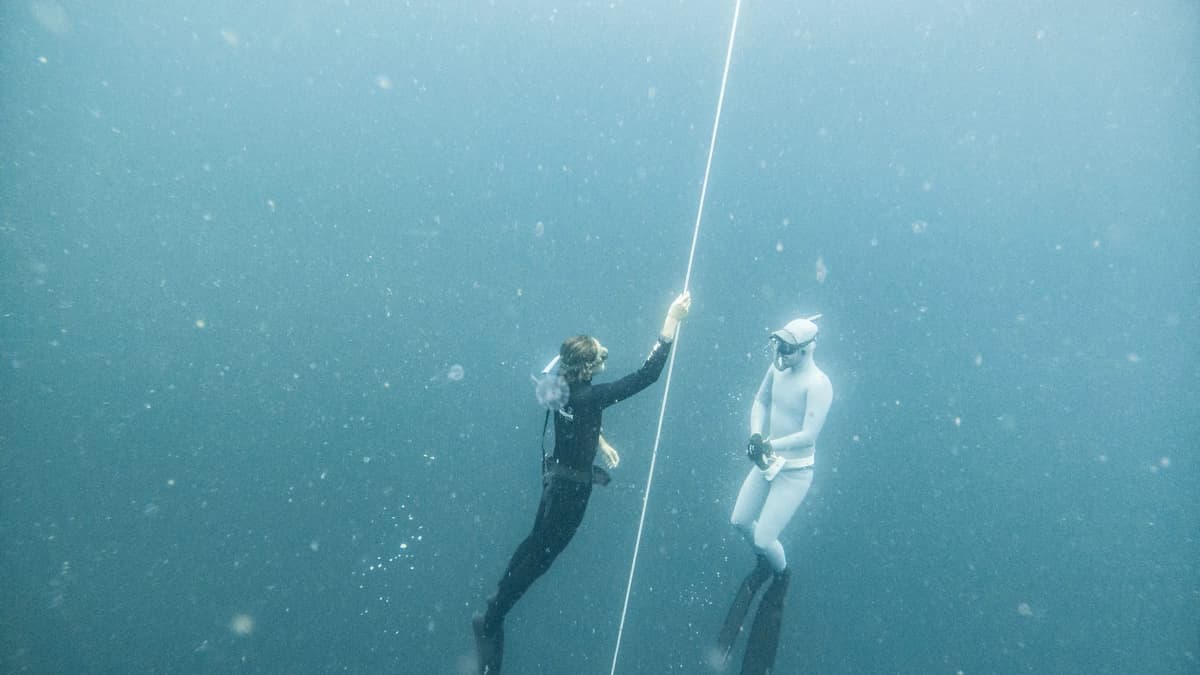
Use courses to standardize your safety habits
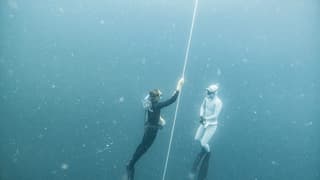
Even experienced water people benefit from a proper freediving safety framework because the rescue details are specific. Recovery breathing, blackout response, and line protocol are skills that should be practiced, not assumed.
If you are starting from scratch, choose a school with a strong beginner reputation and ask how they teach rescues. If you already dive, use the next certification level to sharpen the safety details you may be glossing over.
Common questions
Can experienced swimmers train freediving alone?
No. Swimming ability does not replace a trained buddy and proper surface supervision.
What is the most important freediving safety habit?
Never train alone in water and always maintain proper buddy positioning and recovery observation.
Why is a course useful for safety if you already snorkel or scuba dive?
Freediving rescue, recovery, and line procedures are specific skills that most divers need to learn directly.