A buddy has a dedicated safety role: know the plan, supervise the attempt and surface recovery, and be trained to respond. Another person nearby is not enough.
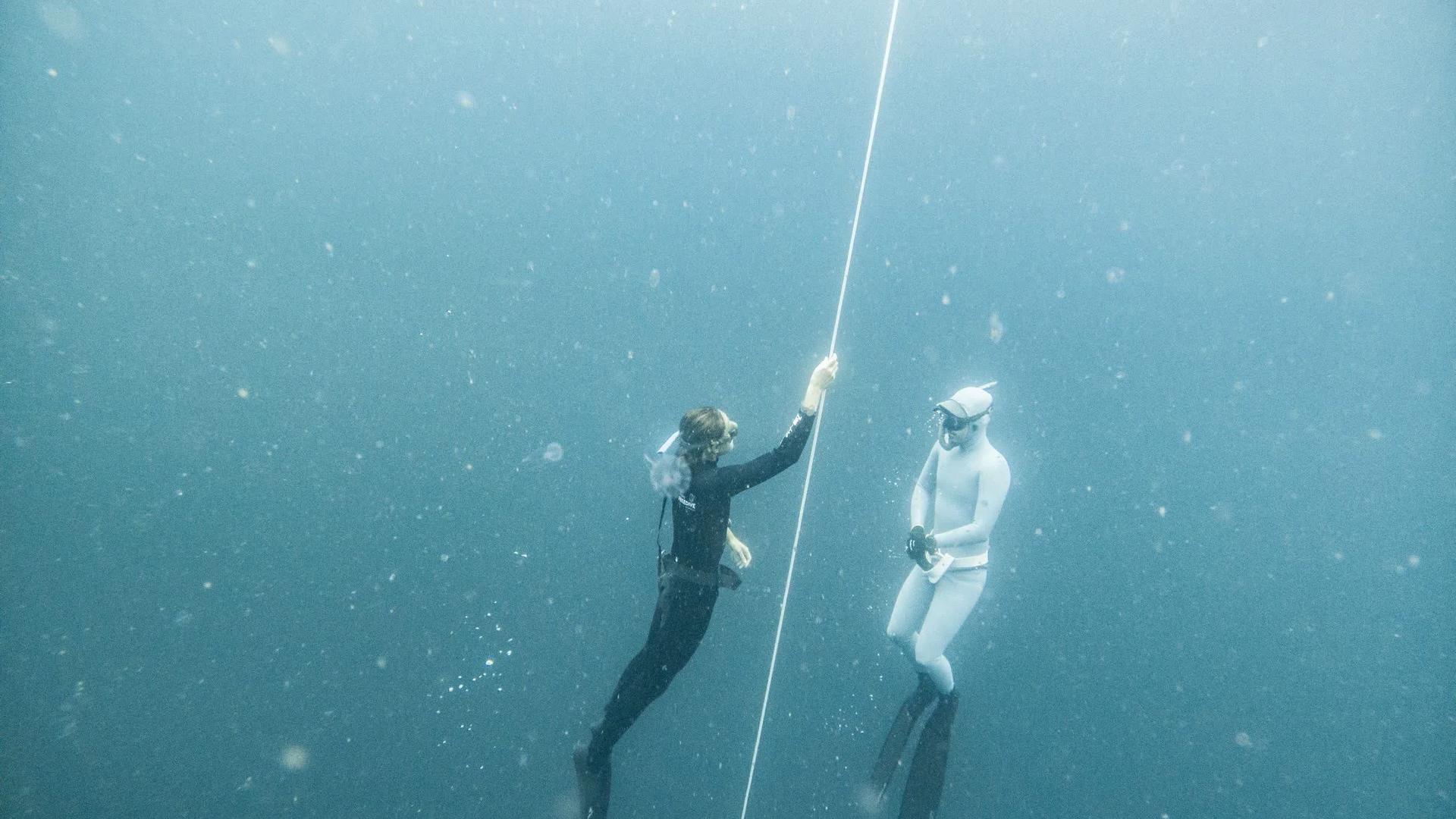
The freediving buddy system is the core safety habit of the sport. It does not mean another person happens to be in the water. It means one diver performs while the other watches, ready to protect the airway and respond.
A good buddy system gives each person a clear responsibility. The plan is agreed before the dive; the buddy watches through recovery; and both divers stop when conditions or symptoms change.
What a buddy is responsible for
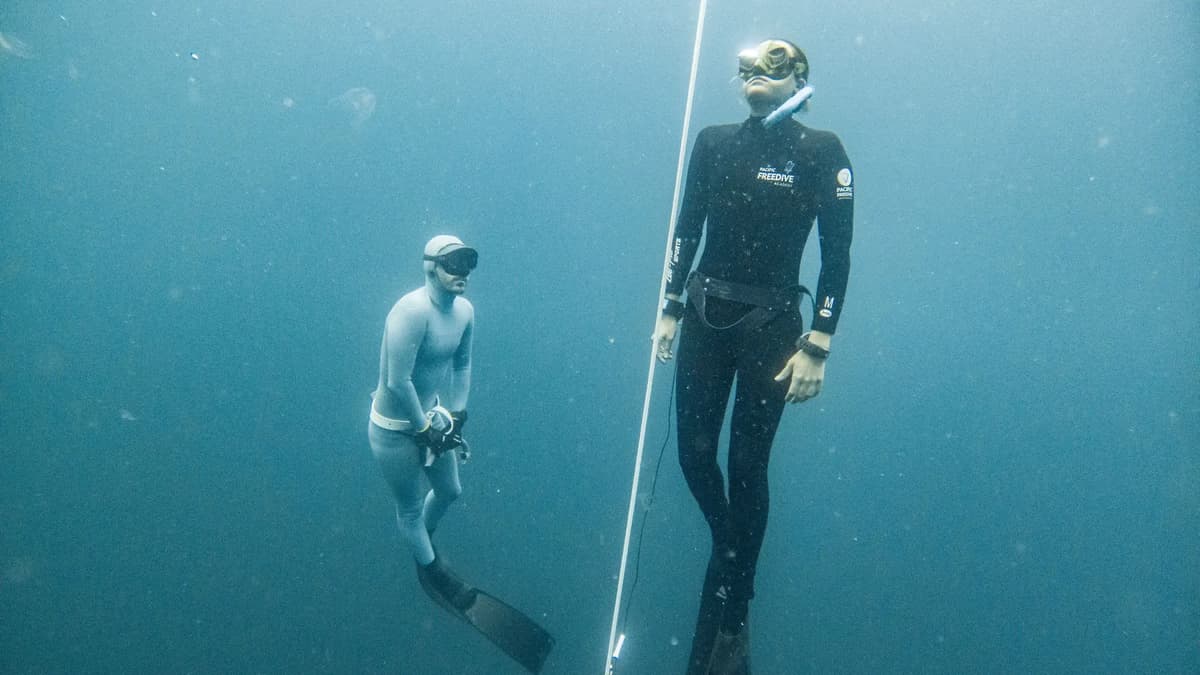
The buddy knows the dive plan, watches the active diver, stays close enough to help, and verifies the surface protocol. During the active diver's recovery, the buddy is still working.
DAN safety guidance emphasizes direct supervision by trained freedivers or safety divers. That is the standard to aim for, not casual proximity.
Agree the roles before each dive
- Name the active diver and the person providing safety.
- Agree the dive plan and how the buddy will supervise the ascent and recovery.
- Keep the supervising buddy focused on that diver, without filming or preparing their own attempt.
- Change roles only after recovery and the agreed interval, following your training.
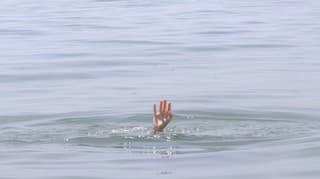
Surfacing does not end the buddy’s job. Hypoxic loss of consciousness can occur at the surface, so a reassuring hand gesture is not a reason to look away. DAN describes the need for supervision after surfacing.
Common buddy mistakes
Common failures include watching from too far away, filming instead of supervising, assuming shallow water is safe, skipping the recovery check, or letting group pressure push the plan.
A buddy needs rescue skills for the planned activity, including shallow dives. Match the session to the team’s training and ability to supervise it.
When the buddy system is not enough
Depth, current, poor visibility and complicated sessions can require additional trained safeties, a managed line setup, retrieval equipment or boat support. Extra equipment alone does not make an unsuitable session acceptable.
If you are unsure whether the safety setup matches the dive, choose a school or course environment. The certification path exists partly to make these judgments less vague.
Questions to settle at an unfamiliar site
Before entering, explain how someone would call for help, where an injured diver could be brought out, and who can use the available rescue equipment. If you cannot describe the plan, resolve it with the operator before diving.
Depth, visibility and current change the supervision problem. “We will stay near each other” is not a plan for meeting a diver on ascent. Choose a session that the team can actually support.
Common questions
Is a friend on the beach a freediving buddy?
No. A buddy needs direct line of sight, proximity, and enough training to respond immediately.
Can two beginners buddy each other?
Only within training limits after they have been taught buddy and rescue skills. New divers should learn under instructor supervision.