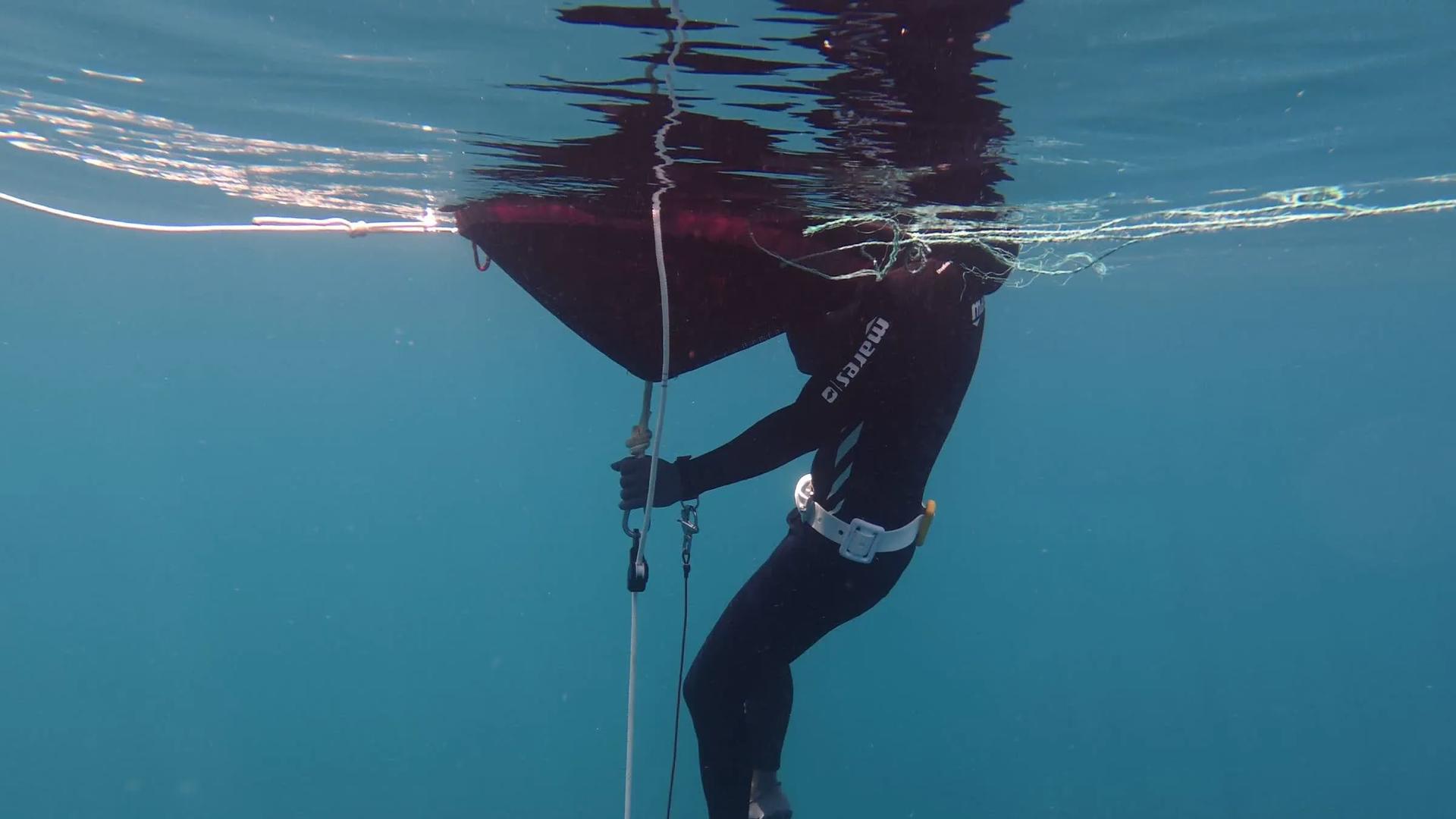
Stop the descent when equalization fails. Note what changed, separate technique questions from possible injury, and do not use force to keep going.
Equalization problems are frustrating because they can stop a dive before breath-hold or fitness matter. The safe response is not to push harder. It is to identify what changed and reset before pressure becomes pain.
Pain, one-sided blockage, dizziness, or repeated failed attempts are reasons to stop and get help. Equalization is a skill, not a toughness test.
Start with the stop rule
Stop descending as soon as equalization fails. Do not force it or continue through pain. For this beginner guide, the conservative response is to end the attempt and review the problem at the surface.
Repeatedly forcing a blocked ear can cause injury and make the next dives worse.
Describe the problem precisely
| Observation | What to discuss |
|---|---|
| Works on land, not during descent | Timing, head position and whether the same movement is being used. |
| One ear responds differently | Whether the difference is new, persistent, or accompanied by symptoms. |
| You need to push from the chest | Whether you are relying on Valsalva rather than the intended technique. |
| The response becomes less reliable | Changes in comfort, congestion, fatigue, descent pace or conditions. |
This is a way to organize a conversation, not a diagnostic table. Several causes can produce similar sensations.
What to change first
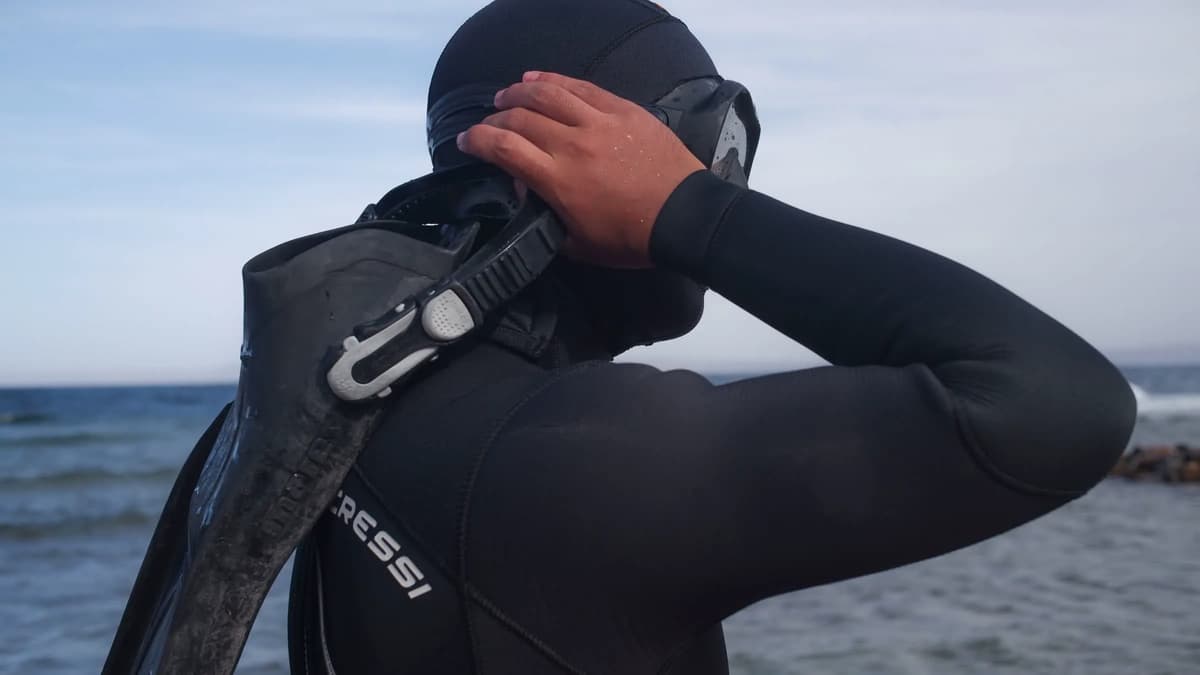
For a symptom-free technique problem, ask an instructor to observe timing, head position and descent pace during supervised shallow practice. Do not repeatedly test an ear that is painful or feels injured.
Change one variable at a time. If you change speed, head position, technique, and depth together, you will not know what fixed or caused the problem.
Coaching or medical assessment?
An instructor can assess technique. Persistent ear pain, hearing changes, ringing or vertigo need medical assessment. Sudden hearing loss or severe vertigo warrants urgent care. Stop diving with a suspected ear injury. DAN describes ear-injury symptoms and care.
For a coaching appointment, bring a description of when the problem appears and what you have already tried. Avoid changing depth, speed and technique together: it makes the instructor’s feedback harder to interpret.
Common questions
Should I push through equalization pain?
No. End the descent and do not force equalization. Stop diving with a suspected injury and seek medical assessment for persistent pain, hearing changes, ringing or vertigo.
Why can I equalize on land but not underwater?
Depth adds timing, posture, pressure, stress, and descent-speed problems that dry practice does not fully reproduce.