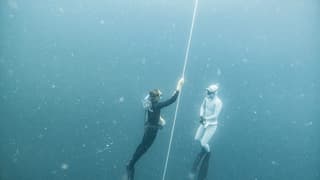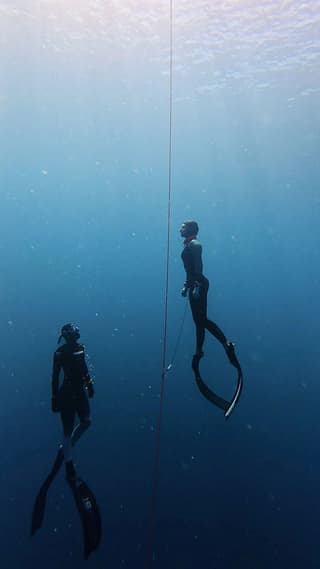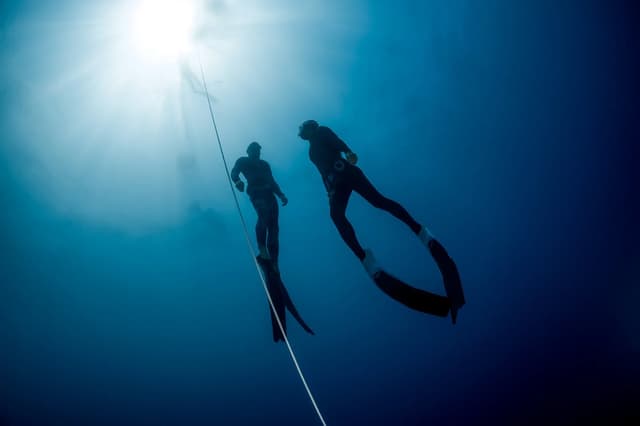
A rescue requires a trained, attentive buddy and an emergency plan. Recognizing trouble is only one part; practising the response and arranging aftercare matter too.
Freediving rescue preparation begins with the people and equipment around a dive. The buddy must be able to recognize difficulty, support the diver and start the response taught in training. A short article cannot teach the positioning and timing of an in-water rescue.
Use this overview to check what your course or refresher will cover. If you have not practised the skills recently, say so before agreeing to provide safety for someone else.
The rescue priority
Rescuer safety comes first. Call for help and use the water-rescue skills you have been trained to perform; an untrained bystander should not enter the water and become another casualty.
Trained rescuers work to support the diver’s airway and bring them to a place where resuscitation can be provided. An unresponsive diver who is not breathing normally needs immediate emergency action.
LMC vs blackout
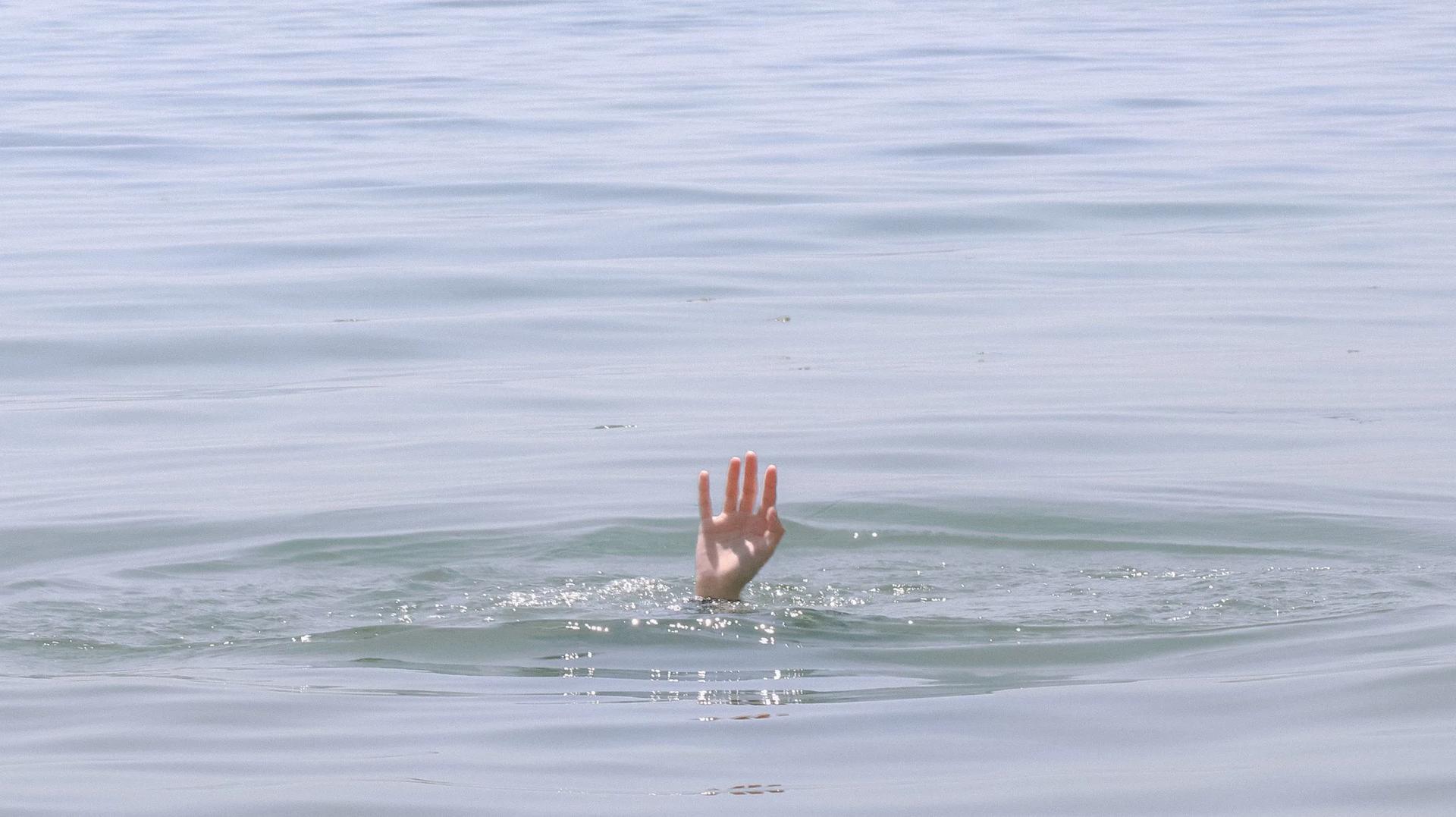
Hypoxic loss of motor control (LMC) can involve involuntary movements or difficulty maintaining posture and responding. Other problems can produce abnormal behavior too; a buddy should respond to distress without waiting to identify its cause.
Blackout means loss of consciousness. Activate the emergency plan immediately. If normal breathing is absent, rescue breaths and CPR as appropriate must not be delayed while waiting for stimulation to work. Follow current training and the emergency dispatcher’s instructions.
What a rescue course should let you practise
- Recognizing a diver who needs help, including during surface recovery.
- Supporting the airway and bringing the diver to a place where assistance can be given.
- The agency’s taught response for an unresponsive or non-breathing diver.
- Activating local emergency services and coordinating the team.
- Using rescue equipment and first-aid skills within your training.
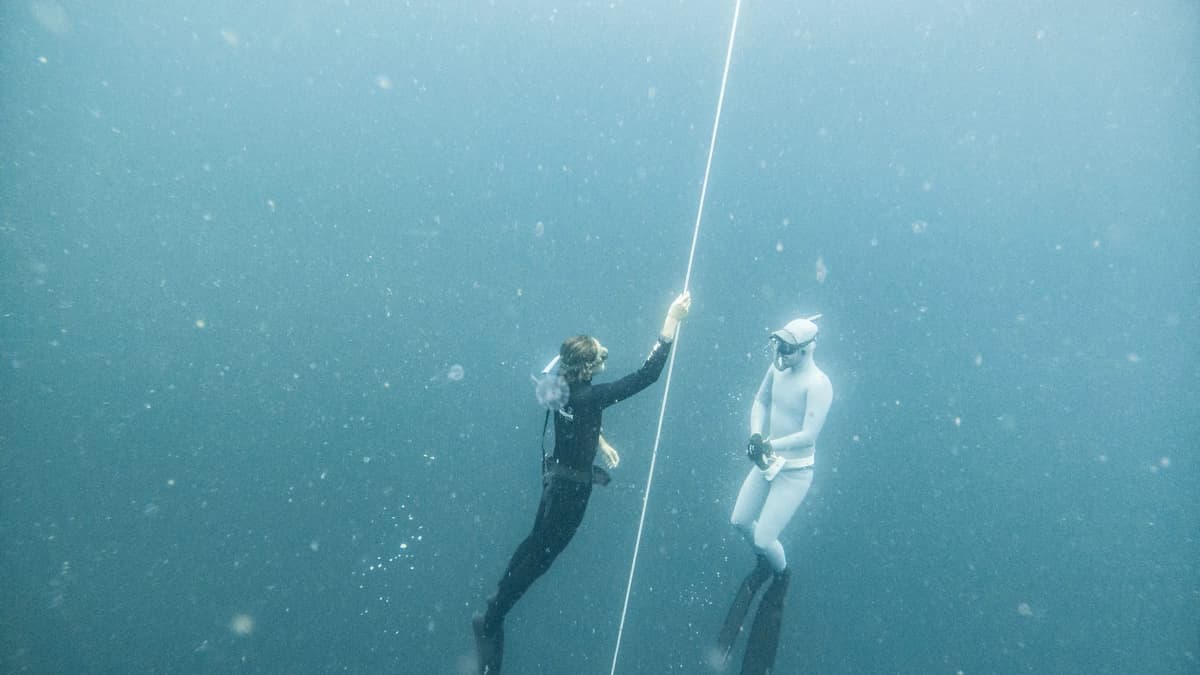
Ask for supervised practice and feedback, not just a demonstration. The exact response depends on the situation; follow current training and emergency-service instructions rather than improvising from a written checklist.
After an incident
End the session after LMC or blackout and obtain medical advice before returning to diving. Breathing difficulty, persistent cough after suspected water inhalation, chest symptoms, confusion or deterioration require urgent medical assessment.
Once immediate care is arranged, record the dive, what the buddy observed, the response, and any symptoms. Review the incident with qualified support before returning to training. Feeling embarrassed or quickly feeling better is not a reason to hide what happened.
Common questions
Can this page teach me to rescue a freediver?
No. You need supervised in-water practice plus appropriate first-aid training. Use the page to ask better questions about the training you receive.
Can the diver continue after LMC or blackout?
End the session and arrange appropriate medical advice and review. Do not treat another successful dive as a way to check recovery.