Strength work can support general physical preparation. Choose the exercises and schedule around your own goals and recovery, without treating gym gains as proof of improved diving performance.
Dry-land strength work is one part of physical preparation. The useful question is what you want an exercise to improve and whether its place in the week leaves you ready for coached water sessions.
General exercise research can inform a strength program, but it does not establish that a particular lift will improve your equalization, conserve oxygen or add depth. Keep those claims separate from measurable progress in the gym.
Choose a goal for the strength work
Resistance training can improve strength and physical function in healthy adults. The 2026 ACSM guidance emphasizes matching the program to the goal and the person. It does not prescribe one “moderate” load for every outcome.
For a freediver, choosing work for the legs, trunk or upper body is a programming discussion. Ask what the exercise is intended to improve and how you will assess it. Do not promise injury prevention or a more efficient kick from strength gains alone.
Discuss range of motion and discomfort
Discuss any movement restriction or discomfort with a coach rather than assuming that lifting necessarily reduces flexibility. Choose exercise range and technique that fit your current ability and injury history.
Keep general mobility work separate from pressure-producing lung exercises. Chest flexibility is not evidence that the lungs are protected during a deep dive.
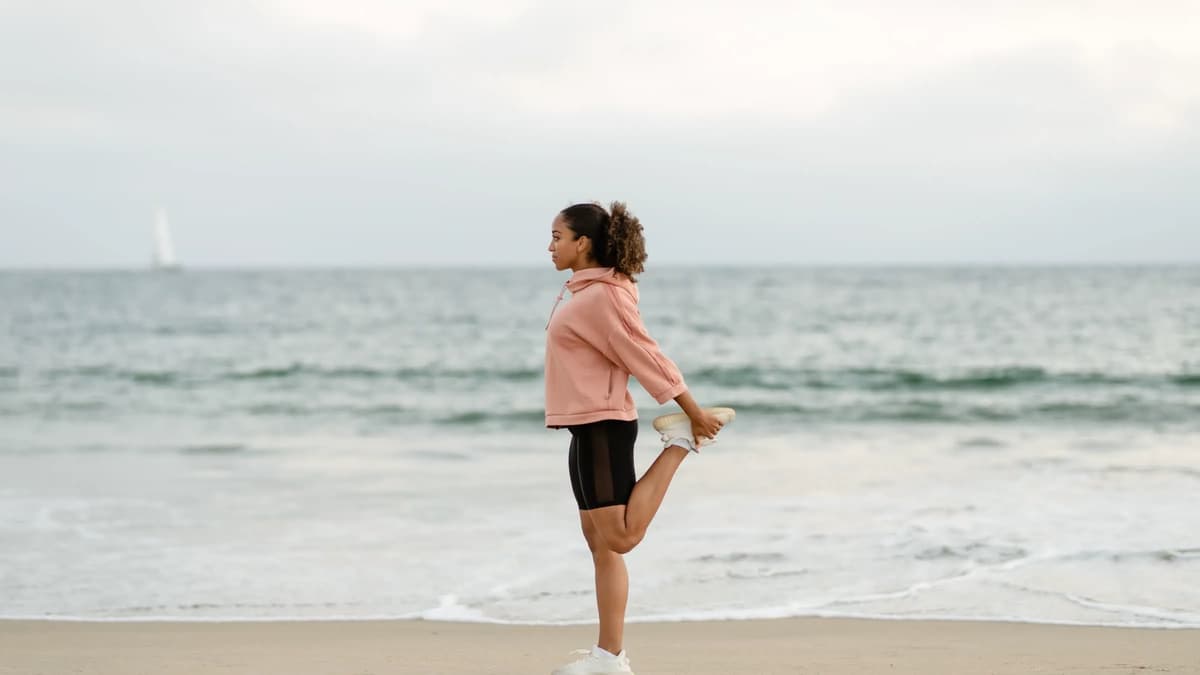
Plan the week around the water sessions
Start with the coached water sessions you want to arrive fresh for, then place gym work around them. There is no universal order or recovery interval that works for every diver, session or training history.
If sessions overlap, discuss their intensity and purpose with your coach. Do not assume that lifting after a demanding dive is automatically appropriate. Record how you feel the next day and adjust the load if soreness or fatigue affects the next session.
Keep loaded exercise separate from apnea
Do not turn a loaded exercise into a breath-hold challenge. A fall or loss of consciousness while handling weights has consequences that an ordinary dry apnea setting does not.
Learn exercise-specific breathing and bracing with a qualified strength coach. Brief bracing in some lifting techniques is different from prolonged apnea training; a freediving article should not prescribe one breathing rule for every lift.
Keep it simple and let it serve the diving
Start with a program you can follow consistently and review its effect on your week. Keep a record of gym load, water sessions and recovery so you can notice when you are adding too much at once.
A strength coach can plan resistance exercise; a freediving coach can assess the water skills. If one person is advising on both, check that their experience covers both. Persistent pain or unexplained fatigue needs clinical assessment.
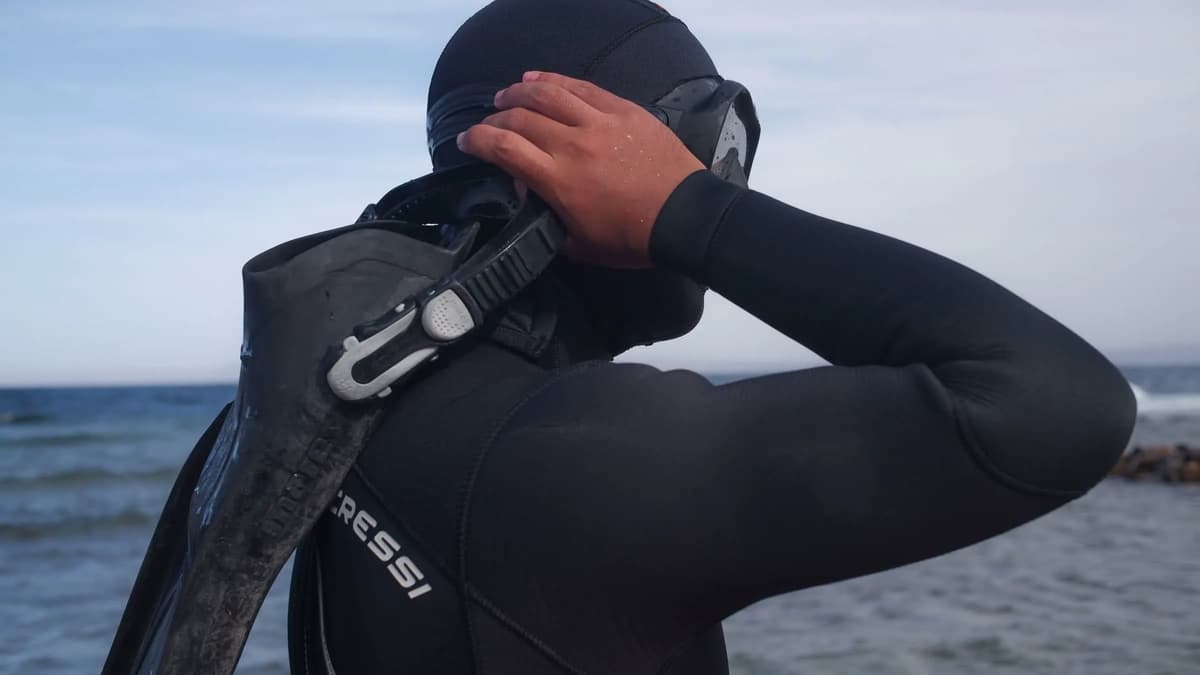
Bring these questions to a programming discussion
- Which movement or position is the exercise intended to help?
- Does the weekly schedule leave me recovered for coached water practice?
- Am I increasing gym load and dive load at the same time?
- What would tell us to reduce or change the exercise?
Common questions
Will lifting weights make me a deeper freediver?
A stronger lift does not establish a deeper safe dive. Strength training can improve general physical capacity, while freediving technique and performance need their own assessment in supervised water sessions.
Can I do breath-hold training while I lift to save time?
Do not combine loaded exercise with prolonged apnea practice. Learn exercise-specific breathing and bracing from a qualified strength coach. Brief bracing used in some lifts is different from turning the lift into a breath-hold attempt.
Should I lift on the same day I dive?
There is no universal order or recovery interval for every diver. Plan both sessions with your coach and adjust the overall load if fatigue or soreness affects your water training. “Dive first, lift later” is not an automatic safety rule.
How heavy should freediving strength work be?
Choose load according to the exercise, goal, experience and health circumstances. General guidelines distinguish strength, power and muscle-growth goals; they do not establish one ideal freediving load.