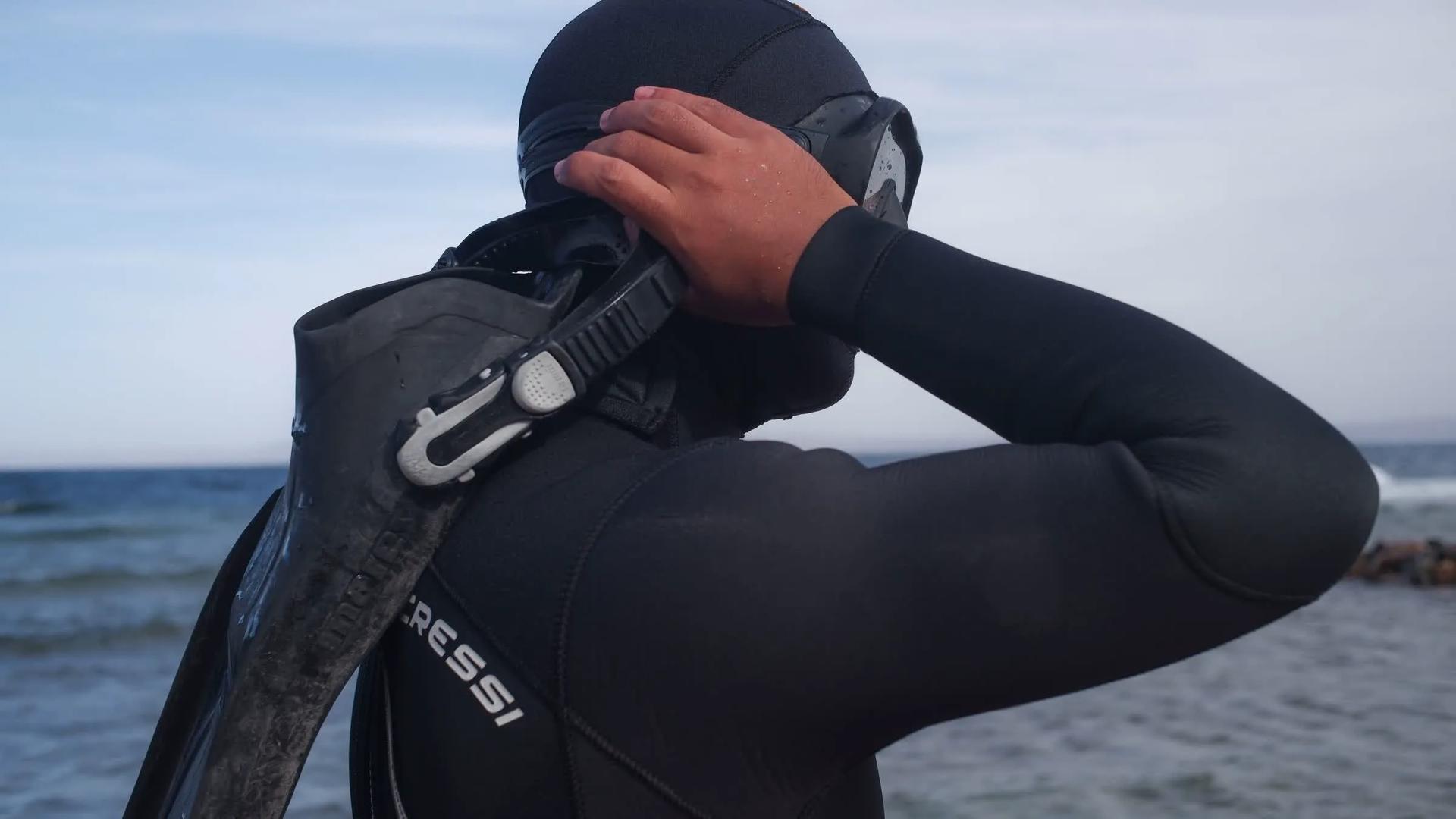
Before entering the water
- Agree the dive plan and conservative turn conditions.
- Confirm the buddy and emergency arrangements.
- Check equipment, weighting and the conditions together.
- Use your taught preparation and recovery routine.
- Reassess after each dive; do not automatically repeat the plan.
1. Plan and brief the dive
Before anyone gets in the water, agree on the plan out loud with your buddy. What depth or time are you aiming for, how long do you expect to be down, and what is the surface interval between dives? Decide who dives first and who is safety. Talking through the plan turns two people doing their own thing into one team with a shared picture, which is exactly what you need if a rescue is ever required.
Keep targets conservative and progress slowly. A plan you can comfortably complete with energy to spare is far safer than an ambitious number you have to fight for. If conditions or how you feel do not match the plan, change the plan rather than pushing through it.
2. Check the conditions
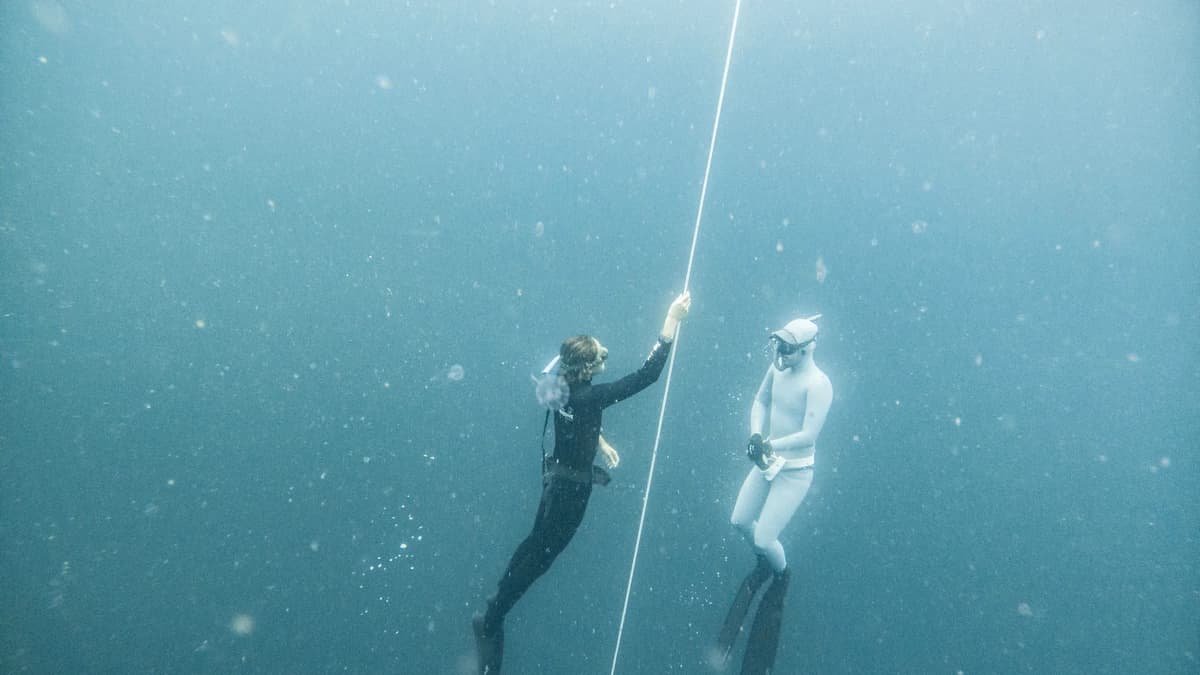
Read the environment before you commit. Current, visibility, water temperature, boat traffic, depth, and any change in weather all shape whether the dive is sensible. Poor visibility makes it harder for a buddy to watch you. Current makes both diving and rescue more tiring. Cold shortens the time you can stay relaxed and comfortable.
Match the dive to the conditions, not the other way around. If something has changed since you planned, for example the current has picked up or boats have appeared, revise your targets or call the session. The water will be there another day.
3. Gear and weighting check
4. Buddy assignment and one-up-one-down

5. Breathe normally before the dive
6. Final relaxation and the dive
Then dive the plan you agreed, not more. Descend smoothly, equalize early and often, and turn at your planned depth or time, or sooner if anything feels wrong. The discipline to turn around on schedule, with energy in reserve, is a core safety skill. Coming up early is never a failure.